
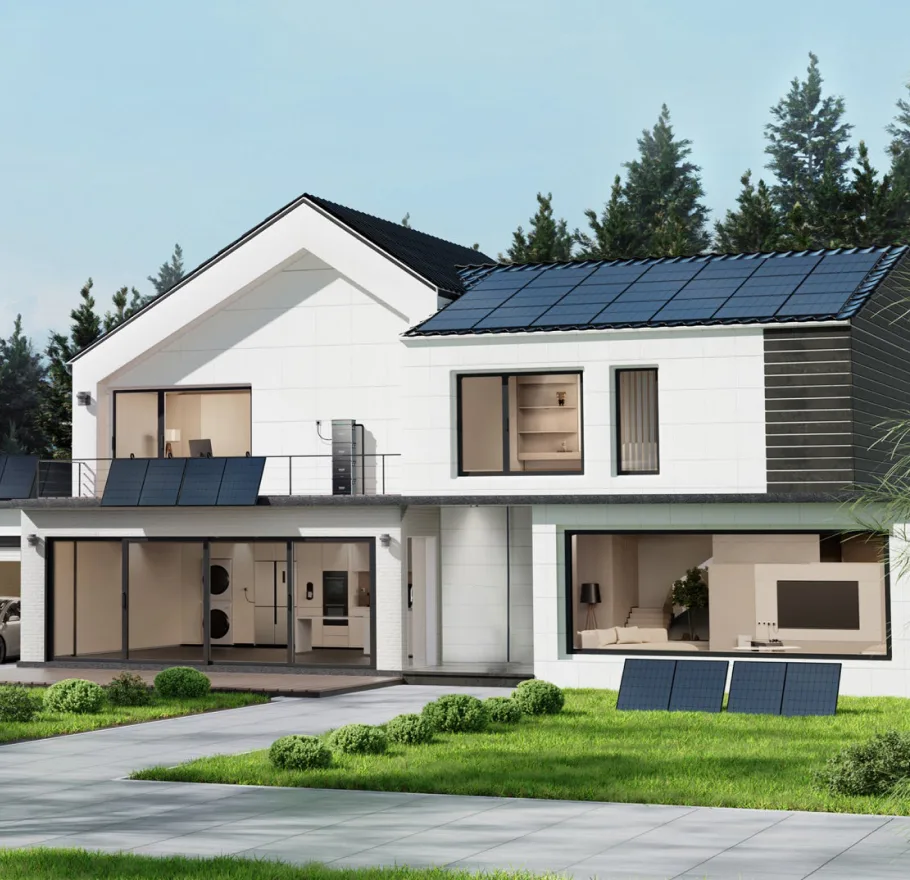
Building an independent energy architecture requires balancing daily power consumption against localized solar harvesting potential. Selecting a reliable off-grid solar system allows homeowners to generate electricity, bypass escalating utility tariffs, and maintain continuous household power across unstable regional power grids.
These technical requirements are met through Ktech’s development of advanced energy management systems and purpose-built hardware for both residential and commercial sectors. Proprietary conversion platforms, flexible product tailoring, and timely technical assistance collectively form the backbone of the manufacturer’s offering. The resulting hardware delivers enduring reliability and operational resilience for distributors and installers worldwide.

Estimating Daily Household Consumption and Load Profiles
Calculating daily electrical usage forms the starting point for sizing any independent renewable power configuration. Auditing household appliances requires recording wattage draws alongside expected daily operating hours to determine total kilowatt-hour requirements.
Accounting for high-surge loads from inductive equipment prevents unexpected inverter overloads during daily operation. System designers utilize these load calculations to establish baseline thresholds for solar array and battery storage capacity.
Calculating Photovoltaic Array Capacity Based on Peak Sun Hours
Geographical location dictates the average daily peak sun hours available for converting solar radiation into usable direct current power. Photovoltaic array sizing must account for seasonal solar variations to prevent winter energy deficits.
Selecting sufficient solar panel capacity enables daily generation to cover active household loads while fully recharging energy storage reserves. Proper panel orientation and tilt angles maximize daily energy yield throughout changing weather conditions.
Sizing Battery Storage for Multi-Day Autonomy
Energy storage capacity determines how many consecutive days a property can operate without adequate solar generation. Autonomy calculations factor in critical household circuits to maintain essential power during extended overcast periods.
Selecting appropriate battery chemistries ensures efficient depth of discharge and sustained thermal stability. Properly matched storage banks prevent deep discharging, preserving total battery lifecycle capacity over thousands of operational cycles.
Matching Inverter Output Capacity to Continuous and Surge Loads
Power conversion units must deliver sufficient continuous alternating current wattage to run multiple household appliances simultaneously. Inverter sizing requires reviewing both rated continuous output capacity and short-term surge handling limits.
Inadequate conversion capacity causes voltage drops or protective system shutdowns when heavy inductive loads initialize. Matching inverter throughput to peak load demand maintains stable household power delivery under heavy usage.
Deploying Residential Off-Grid Photovoltaic Energy Storage Solutions
Private residences located in regions with elevated electricity tariffs benefit significantly from structured off-grid energy management. During periods of adequate solar irradiation, generating hardware powers designated household loads while simultaneously charging connected battery banks.
Implementing a Residential Off-Grid Photovoltaic Energy Storage Solution reduces overall reliance on unstable utility infrastructure. When solar energy is unavailable, grid electricity can supplement remaining household loads, easing power supply challenges during peak demand periods.
Balancing Charge Controller Capacity with Solar Array Input
Charge controllers regulate incoming voltage and current from photovoltaic modules to protect connected battery storage from overcharging. MPPT charge control technology tracks array voltage continuously to extract maximum available solar wattage.
Matching controller voltage limits with solar array open-circuit ratings prevents hardware damage during cold, clear weather conditions. Properly sized control electronics optimize power transfer from solar panels straight into storage banks.
Safeguarding Circuit Operations with Proper Electrical Wire Sizing
Selecting appropriate conductor wire gauges minimizes resistance losses and thermal buildup across long DC wiring runs. Undersized cables cause significant voltage drops, reducing overall conversion efficiency and creating potential thermal hazards.
Integrating overcurrent protection devices, including circuit breakers and fuses, protects system electronics against unexpected short circuits. Standardized wiring practices maintain operational safety across all high-voltage solar and battery circuits.
Integrating Secondary Auxiliary Inputs for Contingency Power
Unfavorable weather conditions can occasionally reduce solar yield below necessary daily threshold levels. Incorporating backup diesel generators or secondary grid feeds into the power topology provides strengthened energy reliability.
Automated transfer switches manage secondary inputs, blending auxiliary power into storage banks without interrupting household electricity. Auxiliary input integration protects battery health during extended periods of low solar yield.
Streamlining Diagnostics via Cloud Telemetry Monitoring
Maintaining long-term performance visibility requires continuous tracking of generation metrics, battery state of charge, and system fault alerts. Remote telemetry platforms stream operational data directly to management dashboards and mobile devices.
Utilizing diagnostic management software engineered by Ktech grants installers and property owners clear operational visibility. Remote diagnostic capabilities simplify routine maintenance, allowing technical teams to address minor performance variations before component failures occur.
Conclusion
Designing a resilient standalone energy installation requires aligning accurate consumption data with properly sized solar panels, batteries, and conversion hardware. Balanced system architectures optimize daily self-consumption while protecting residential properties against escalating utility costs and power outages.
A partnership with Ktech unlocks flexible product customization, proprietary technology architectures, and dedicated technical support for energy distributors, installers, and system integrators worldwide. These integrated capabilities address the operational realities of off-grid deployments across diverse geographic and climatic conditions. Energy professionals in search of a dependable off-grid solar configuration are encouraged to submit project specifications and examine long-term distribution frameworks.
