
Cross-border shipments of industrial machinery require more than simply organizing logistics and getting equipment ready for delivery. Customs authorities need clear, consistent information to identify imported equipment, assess its value, determine its origin, and establish whether additional controls apply. For buyers sourcing industrial mixing solutions, complete documentation helps reduce clearance delays. Well-prepared industrial mixing solutions records also help brokers identify the goods. Reliable chemical mixing equipment manufacturers therefore support each order with accurate commercial, technical, and shipping records tailored to the destination market.
Commercial Invoice: Establishing the Transaction
The commercial invoice helps customs assess duties and verify a transaction. It should identify exporter and importer, invoice number and date, currency, price, delivery terms, and a precise equipment description. Model numbers, quantities, unit values, and totals should be clear. Freight, insurance, and other charges should be itemized when relevant to customs valuation.

A description such as “mixer” may be too general. A more useful entry identifies a batch homogenizer or high-shear mixing unit, its model, and principal function. Chemical mixing equipment manufacturers should align the invoice with the purchase order, contract, packing list, and customs declaration.
Packing List: Matching the Physical Shipment
A packing list lets customs and logistics providers compare declared cargo with the packages presented for inspection. It records package count, contents, marks, dimensions, net and gross weights, and invoice reference. For machinery shipped in several crates, each package should be itemized.
The list should distinguish the machine from separately packed motors, control cabinets, tools, spare parts, and accessories. Discrepancies in quantities, weights, or dimensions can prompt inspection. Manufacturers supplying industrial mixing solutions should confirm packing data with the warehouse and forwarder.
Certificate of Origin and Preferential Trade Documents
A certificate of origin identifies where goods originate under applicable rules. The importing country, buyer, bank, or trade agreement may require it. Preferential tariff claims must meet the agreement’s specific rules; a generic certificate does not automatically qualify goods for reduced duties.
The exporter should confirm the format, issuing body, and supporting evidence before shipment. Origin details must agree across the invoice, certificate, and customs entry. Buyers should ask chemical mixing equipment manufacturers whether additional declarations are needed.
Technical Documents for Classification and Inspection
Customs brokers may need technical information to determine tariff classification or answer customs questions. Supporting records can include brochures, specification sheets, operating principles, drawings, model identification, rated power, capacity, and intended function. These details help distinguish a homogenizer from a conventional agitator or complete processing line. Optional attachments should be identified as part of the machine or as separate accessories. The importer’s customs broker, not the supplier alone, should confirm the applicable HS classification.
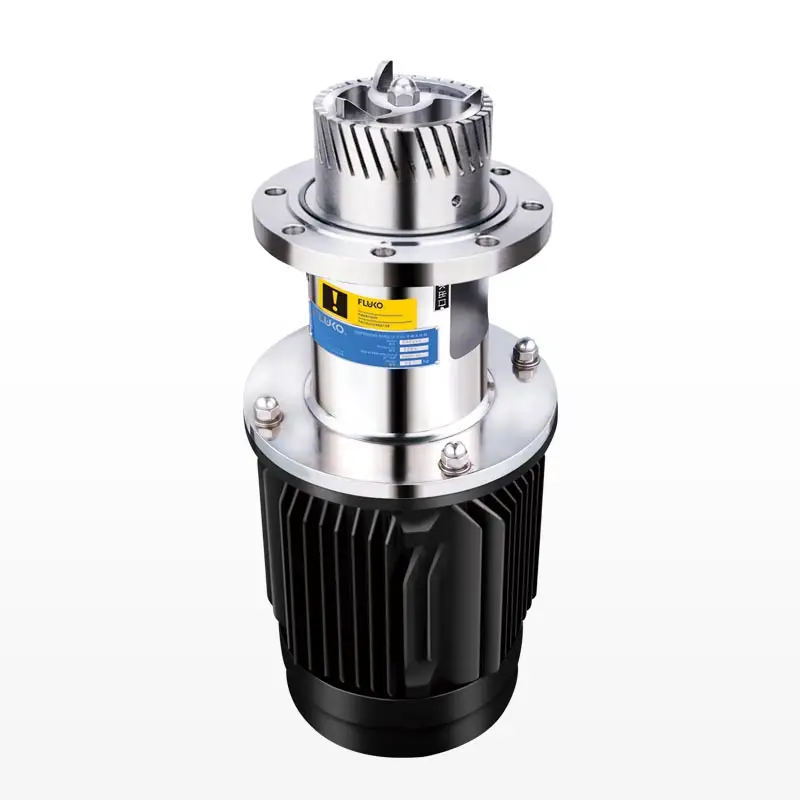
FLUKO’s FAE/FME/FUE/FAEP series are production-type batch homogenizers installed at a vessel’s bottom. Their working heads support shearing, dispersion, and emulsification for creams, lotions, emulsions, and suspensions. Because models and parameters differ, documents should identify the exact unit supplied. Product information supports review but does not replace an official tariff decision.
Transport, Insurance, and Export-Control Records
The transport document depends on the shipping method: ocean freight normally uses a bill of lading, while air freight uses an air waybill. These identify the carrier, shipper, consignee, and shipment. An insurance certificate may also be required by the contract, letter of credit, or buyer.
Additional paperwork may include an export licence, inspection certificate, conformity document, or import permit. Applicability depends on equipment, destination, end use, and national rules; not every mixer requires special certification. Exporters should check controls and confirm local requirements with the importer or broker. Electronic export declarations or statistical filings may also apply; the responsible filing party should be agreed before dispatch.
Keep Every Document Consistent and Shipment-Specific
Conflicting information can delay clearance even when all documents are present. Party names, model numbers, quantities, values, origin, package count, and weights should agree throughout. Changes after packing or invoicing must be reflected in the relevant records.
The document package should match the order and destination. Chemical mixing equipment manufacturers can streamline handovers by sharing data early, confirming who obtains certificates, and sending final copies to the buyer and forwarder. Buyers should review drafts before loading and retain final records. A pre-shipment review should compare invoice and packing-list details, consignee information, and certificate data, especially for split consignments.
Documentation That Keeps International Deliveries Moving
Customs documentation is not universal: requirements vary by country, classification, transport mode, trade agreement, and transaction. Invoices, packing lists, and transport documents form the foundation of many shipments; origin certificates, technical records, licences, and inspections apply when required. Buyers evaluating industrial mixing solutions—including those from FLUKO—should confirm destination rules early, before ordering industrial mixing solutions for export. Buyers should check whether translations, legalization, or specific certificate templates are required.
With accurate product data and coordination among exporters, importers, and freight specialists, chemical mixing equipment manufacturers can support smoother customs review. FLUKO‘s equipment range, including bottom-loading homogenizers, gives buyers model-specific information for shipment preparation. The importer and customs broker should confirm the final document set for the destination.
