
Fuel is both an operating input and a controlled asset in oilfield transportation. Tankers, service trucks, and support vehicles may travel long distances between depots, wells, and remote work sites, making unexplained consumption difficult to investigate after the fact. In this context, fleet management oil and gas operations therefore benefit from combining fuel measurements with location, vehicle status, and event records.
A fuel theft prevention system can detect suspicious fuel-level changes that may indicate unauthorized extraction, but the alert only becomes useful when managers can determine where the vehicle was, whether it was operating, and what other evidence exists. The strongest design connects sensors, telematics, video, and response procedures so that a fuel anomaly becomes an actionable incident rather than an isolated number.

Measure Fuel Events in Operational Context
Fuel monitoring begins with a sensor and a baseline for normal behavior. Tank geometry, sensor type, calibration, refueling practices, road gradient, temperature, and vehicle movement can all affect readings. The monitoring logic needs a documented method for distinguishing normal consumption, refueling, drainage, and measurement noise before theft alerts are activated across the fleet.
Location and ignition status help interpret a level change. A sudden drop at an approved service point may have a legitimate explanation, while the same pattern at an unauthorized roadside stop deserves attention. Route history, stop duration, and geofences allow supervisors to prioritize events instead of treating every fluctuation as a suspected loss.
For fleet management oil and gas projects, reporting should support both operations and audit. Daily consumption, refill records, exception events, vehicle utilization, and route information can be combined to identify vehicles that consistently differ from expected patterns. A single data point should not be treated as evidence against a driver; the system instead needs a traceable record that supports investigation.
Calibration should be treated as a controlled maintenance activity rather than a one-time installation step. Sensor replacement, tank work, wiring changes, or unusual operating conditions may alter readings. A fleet can define verification intervals and tolerance rules, then flag vehicles whose data drifts outside expected behavior. This reduces false theft alarms and protects confidence in the monitoring process.
Combine Fuel Alerts with Video and Driver Safety
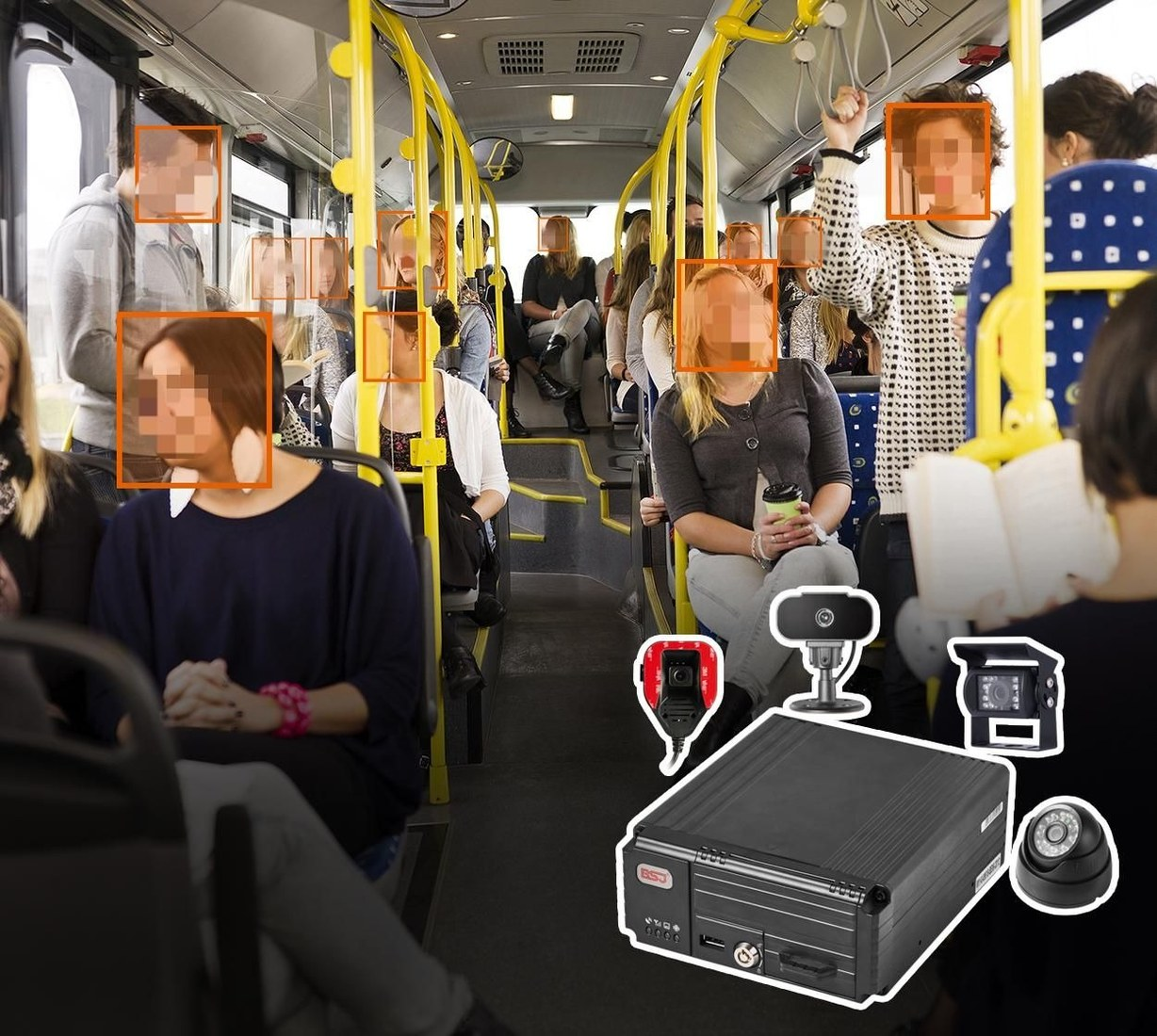
Video can add evidence when a sensor reports an abnormal event. A camera view may show activity around the tank, an unauthorized stop, or other circumstances that help explain the reading. Evidence from a fuel theft prevention system becomes more defensible when the alert is linked to synchronized time, GPS position, and relevant footage rather than presented as a standalone sensor spike.
Oilfield fleets also face road-safety exposure. BSJ Technology’s oil and gas solution combines fuel monitoring with AI-powered cameras, real-time tracking, ADAS, DMS, and blind-spot functions. Relevant functions include lane departure and forward collision warnings, fatigue and distraction monitoring, fuel-sensor alerts, and front or side blind-zone support. Each vehicle class should be assigned only the functions it requires instead of receiving the same configuration by default.
Operational escalation should be tiered. A possible theft event may require a dispatcher to contact the driver, preserve video, and notify security, while a repeated calibration anomaly may be routed to maintenance. Safety alerts may need immediate in-cab warnings plus later coaching. One platform can carry several event types, but each needs a different response workflow.
Evidence access should be limited according to role because fuel investigations can involve driver performance, security, and commercial loss. The system should record who reviewed an alert, whether video was exported, and how the case was closed. A consistent case workflow makes trend reporting more meaningful and helps management distinguish confirmed theft, operational causes, sensor faults, and unresolved exceptions.
Design the System for Remote Oilfield Operations
Remote environments make connectivity and maintenance planning important. Devices may spend long periods outside strong cellular coverage, so critical records should remain available locally and synchronize after reconnection. Installations also need protected wiring, secure sensor connections, reliable power behavior, and components suitable for the vibration and temperature conditions of the fleet.
Support logistics can influence total cost more than the initial device price. Spare sensors, camera replacements, harnesses, remote diagnostics, firmware control, and clear fault codes reduce the time a vehicle remains without monitoring. BSJ Technology emphasizes global technical support, hardware engineering, controlled delivery, and OEM/ODM flexibility; an oilfield buyer should translate those capabilities into service levels and stocked parts for the operating region.
A truck fuel program is successful when it creates reliable evidence and a repeatable response. Fuel sensors establish the measurement, telematics supplies operational context, video can support verification, and management rules determine what happens next. That integrated approach allows fleet management oil and gas teams to address loss, safety, and visibility together while keeping the fuel theft prevention system focused on events that merit action.
Offline behavior should be part of field validation. A vehicle can be driven through a known coverage gap while fuel, position, and video events are generated, then the team can confirm what is stored locally and what arrives after reconnection. This test demonstrates whether a remote fleet will preserve the evidence needed for later investigation instead of silently losing the most important period. Regional teams should also know which faults can be solved remotely and which require a technician, so service travel and vehicle downtime can be planned realistically.
