
Energy efficiency has become an important factor in marine equipment selection as boat builders, yacht operators, and distributors review new market requirements. Changes in global energy policies are influencing the design of marine climate systems, with more attention placed on power consumption, operating stability, and intelligent control. For businesses involved in marine projects, understanding these trends helps them evaluate suitable solutions. ZhuoliMarine focuses on yacht and boat air conditioning equipment, providing products designed for practical cabin climate applications.
Global Efficiency Trends in Marine Climate Equipment
The marine industry is gradually moving toward equipment with improved energy management features. Regional regulations and environmental considerations are encouraging manufacturers to review compressor technology, electrical systems, and control methods. These changes are not only related to compliance but also connected with the daily operating costs of vessels.

For professional buyers, selecting suitable climate equipment requires consideration of vessel size, cabin layout, power availability, and expected usage conditions. A system designed for marine environments needs to handle humidity, temperature changes, and limited onboard power resources.
Key Performance Factors of 16,000 BTU Marine Air Conditioner Systems
When evaluating a 16000 BTU marine air conditioner, buyers usually review cooling capacity, heating performance, energy consumption, noise level, and control functions. These factors help determine whether the equipment matches the requirements of a specific boat or yacht project.
Unlike land-based air conditioning systems, marine units often need to operate in compact spaces with changing external conditions. Stable performance depends on suitable installation, proper ventilation, and compatibility with the vessel’s electrical system.
Efficiency benchmarks in 2026 are expected to place more attention on variable-speed operation and intelligent adjustment. These technologies allow equipment to respond to actual temperature demands instead of maintaining constant output during all operating periods.
How Technology Supports Energy-Saving Operation
One important development in marine climate solutions is inverter compressor technology. Traditional systems often operate at fixed speeds, while inverter systems can adjust compressor performance based on cooling or heating requirements. This helps create smoother operation and supports more efficient power use.
Smart control functions are also becoming a practical consideration for marine equipment buyers. Remote monitoring and mobile applications allow users to manage temperature settings more conveniently, especially when preparing cabins before arrival or adjusting conditions during travel.
Manufacturers are also improving internal system design through better component integration. Heat exchange performance, electrical control accuracy, and compact structures can influence the overall efficiency and user experience of marine climate equipment.
Practical Applications of 16,000 BTU Marine AC Units
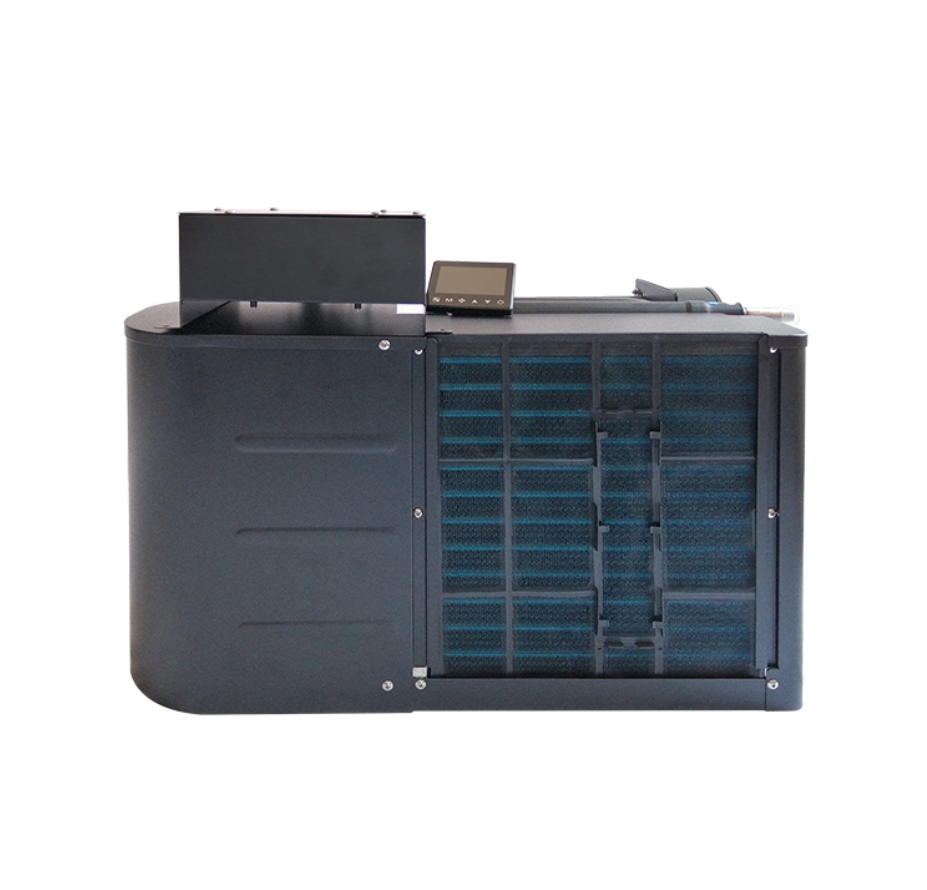
For yacht and boat projects that require stable cabin temperature control, product specifications remain an important reference. ZhuoliMarine provides the Marine Air Conditioner 16,000 BTU 220V AC Cooling & Heating (MAR-220/16BP), which is developed for boat and yacht cabin applications.
The unit uses a 220V AC variable-frequency design and supports both cooling and heating functions. It includes built-in WiFi remote control, allowing users to adjust temperature settings through a smartphone while on board. The inverter compressor is designed for quieter operation and can adjust performance according to load demand.
A suitable marine air 16000 BTU air conditioner should match the vessel’s operating environment, installation conditions, and power system. For distributors and contractors, reviewing technical specifications before project planning can help improve equipment selection.
Factors for Global Marine Equipment Buyers
Different markets may have different expectations for energy efficiency, product standards, and installation requirements. Distributors and project contractors should understand regional conditions when selecting marine climate equipment for customers in different locations.
Maintenance convenience is another important factor. Marine systems are exposed to moisture, vibration, and changing temperatures, so product accessibility and technical support can influence long-term operation. Clear documentation and communication between suppliers and buyers can support smoother project implementation.
For businesses purchasing marine equipment in larger quantities, stable supply capability and product consistency are also valuable considerations. These factors help companies manage inventory planning and customer support more effectively.
Future Direction of Marine Cooling Solutions
The development of marine air conditioning technology will continue to focus on balancing comfort, efficiency, and operational convenience. As energy requirements develop, manufacturers are expected to improve system control, compressor performance, and overall equipment design.
The demand for efficient marine climate solutions is also influenced by the growing expectations of yacht builders and commercial marine operators. Equipment that combines practical functions with manageable energy use can better support different application scenarios.
Choosing a Reliable Marine Air Conditioning Partner
Selecting a suitable supplier involves reviewing product capability, technical understanding, and experience with marine applications. Professional buyers often need more than a single product specification because successful installation depends on matching equipment with vessel requirements.
ZhuoliMarine specializes in marine air conditioning solutions for boats and yachts. They provide products such as the Marine Air Conditioner 16,000 BTU 220V AC Cooling & Heating (MAR-220/16BP), combining variable-frequency technology, cooling and heating functions, and convenient control options. Businesses looking for suitable marine climate equipment can contact ZhuoliMarine to discuss project requirements and available solutions.
