
In the highly regulated sphere of healthcare technology production, the physical environment in which a product is fabricated is just as critical as the engineering specifications of the device itself. For original equipment manufacturers (OEMs) and procurement professionals, ensuring manufacturing facilities adhere to stringent cleanliness standards is a fundamental aspect of supply chain risk management. The presence of microscopic particulates, airborne microbes, or fluctuating humidity can compromise product sterility, alter material properties, and lead to batch rejections. Consequently, understanding the intricate infrastructure required to maintain these pristine conditions is essential for business leaders selecting reliable manufacturing partners.
The Strategic Architecture of a Cleanroom HVAC System
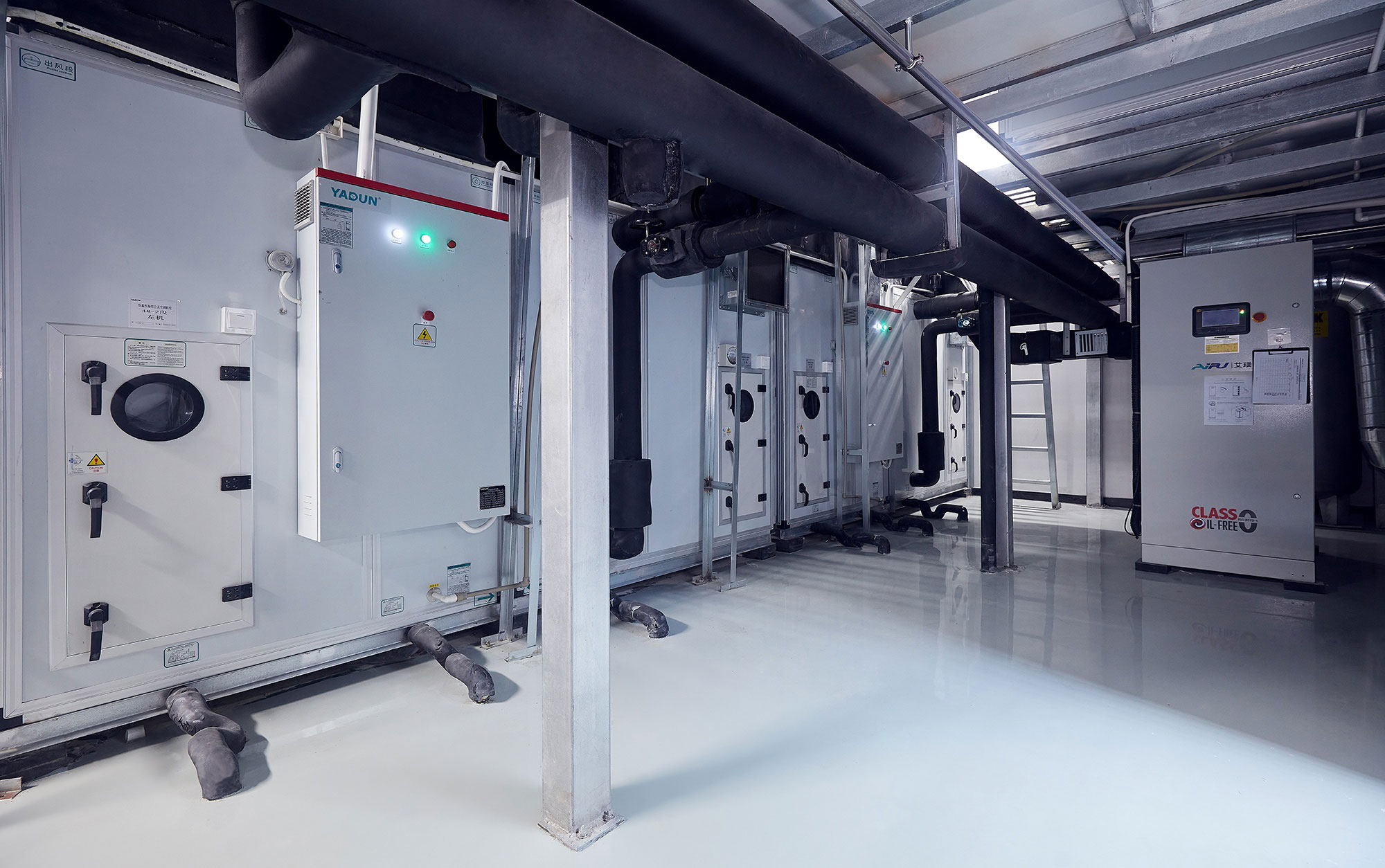
To achieve the exacting standards required for clinical applications, facilities must engineer specialized environmental controls. At the core of this infrastructure is the cleanroom HVAC system, a sophisticated network designed to do far more than merely regulate ambient temperature. In medical manufacturing, these systems meticulously control air filtration, manage airflow direction, and maintain precise pressurization hierarchies across different manufacturing zones. Unlike conventional commercial air conditioning, a cleanroom heating, ventilation, and air conditioning setup continuously flushes the production space with highly filtered air to meet specific International Organization for Standardization (ISO) classifications, such as ISO Class 7 or Class 8.

A cleanroom HVAC system should use filtration and airflow controls appropriate to its required classification and verified facility design.These filters trap microscopic contaminants down to 0.3 microns, reducing airborne particle concentrations to the limits established for the required cleanroom classification. Furthermore, engineering teams must calculate the necessary Air Changes Per Hour (ACPH). Air-change rates should be determined through facility design and qualification based on room size, heat load, occupancy, airflow pattern, process emissions, and required recovery performance. Additionally, maintaining positive pressure in the cleanest zones ensures that when a door opens, air flows outward, preventing the ingress of contaminated air from adjacent spaces.
Implementing Compressed Air Monitoring for Contamination Control
Beyond ambient air management, medical manufacturing relies heavily on various clean utilities to drive pneumatic machinery, robotics, and assembly tools within the sterile environment. Among the most critical of these utilities is compressed air. Because this air frequently comes into direct or indirect contact with the medical devices, the materials used to fabricate them, or the primary packaging, it poses a significant vector for contamination if not rigorously controlled.
Implementing continuous compressed air monitoring is essential to safeguard the integrity of the production line. Industrial air compressors can inadvertently introduce moisture, aerosolized oils, and solid particulates into the cleanroom if filtration and drying mechanisms fail. In medical applications, facilities must adhere to strict purity classes outlined in standards like ISO 8573-1. Testing may include particles, pressure dew point, oil aerosol, oil vapor, or microbiological contaminants where required by the compressed-air specification. By utilizing specialized sensors integrated directly into pneumatic lines, facility managers detect microscopic deviations instantly. If moisture content spikes—encouraging microbial growth—or if oil vapors bypass filtration traps, the monitoring system triggers immediate alarms, allowing technicians to halt production before materials are compromised.
Integrating Comprehensive Environmental Management
The sheer complexity of designing, validating, and maintaining these environmental controls highlights the immense value of partnering with an integrated manufacturing provider. Managing multiple vendors for separate stages of production can introduce unknown variables into the environmental supply chain, as different facilities may possess varying interpretations of cleanroom protocols. To mitigate this risk, many OEM strategists prioritize partners equipped with state-of-the-art, fully integrated infrastructure.
As a reputable entity in this sector, Kingsin offers on-demand customization for a full range of medical devices and products, providing a one-stop solution that covers design, manufacturing, and regulatory documentation based on each customer’s specific requirements. By conducting these critical operations within heavily monitored and strictly controlled environments, Kingsin ensures that every phase of product realization—from applicable manufacturing and assembly processes to the agreed packaging stage—is shielded from airborne contaminants. This holistic approach means that the engineering teams overseeing the facility’s climate control are working in tandem with the technicians operating the manufacturing equipment. When environmental data is integrated directly with production workflows, the resulting synergy drastically reduces the likelihood of environmentally induced defects, optimizing material yields and safeguarding the supply chain for B2B buyers.
Regulatory Compliance and Validating Air Quality
For B2B stakeholders, the empirical data generated by these advanced environmental systems serves a secondary, vital purpose: regulatory compliance. Agencies such as the FDA and the EMA do not simply require medical devices to be manufactured in clean environments; they demand comprehensive, traceable proof that those conditions were maintained without interruption throughout the entire production cycle.
This necessitates rigorous facility validation protocols, including continuous datalogging of temperature, humidity, differential pressure, and particulate counts. The resulting environmental reports become a foundational component of the Device History Record (DHR). Working with an established manufacturing partner ensures this critical data is systematically compiled and readily accessible for audits. A well-designed facility utilizes automated Building Management Systems (BMS) to archive this telemetry securely, ensuring absolute compliance with current Good Manufacturing Practices (cGMP). For procurement professionals, this documented control translates to accelerated regulatory clearances and a significantly reduced risk of product recalls.
Securing the Medical Supply Chain
In an industry where absolute precision and sterile integrity are the baseline for commercial viability, the facility environment cannot be treated as a secondary concern. The strategic implementation of advanced air handling and precise utility oversight is fundamental to reliable medical device production. By prioritizing robust cleanroom architectures and continuous monitoring of vital utilities, manufacturers eliminate the hidden variables that threaten product quality. For OEMs and procurement leaders, selecting a manufacturing partner capable of demonstrating strict mastery over their environmental controls is a vital step toward ensuring clinical safety, seamless regulatory compliance, and sustained market success.
