
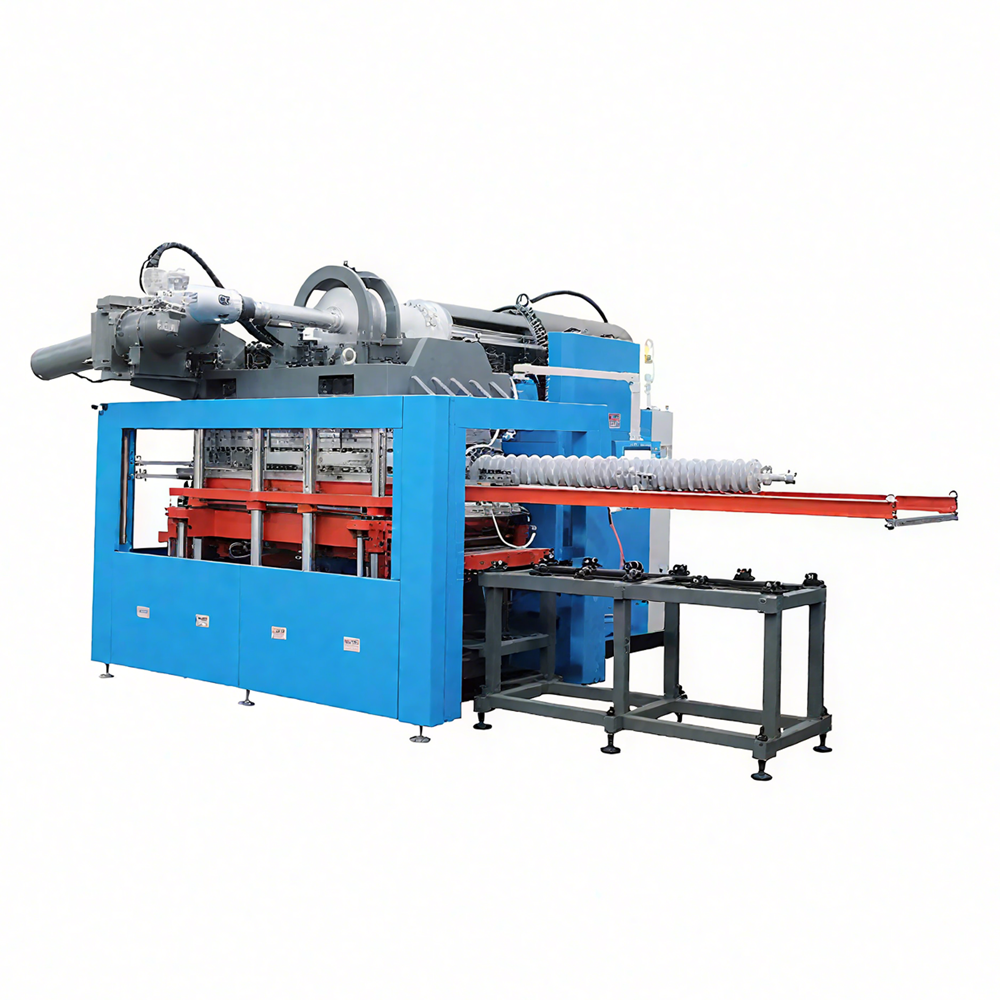
Against the backdrop of global manufacturing, China has evolved into a key production hub for industrial equipment serving the rubber industry. The overall cost of rubber processing machinery is shaped by multiple variables, such as design complexity, automation grade, raw material specifications, and comprehensive after-sales service arrangements. Among these machines, the rubber injection molding machine represents a key category widely used for producing insulators, sealing parts, and precision rubber components. HWAYI, a manufacturer specializing in industrial molding systems, develops compact and efficient equipment designed to balance performance requirements with long-term operational value.
Equipment Structure and Manufacturing Cost Drivers
One of the primary factors affecting the cost of rubber processing machinery is structural design. Machines with more complex mechanical systems, such as multi-cylinder clamping units or integrated automation features, typically require higher manufacturing precision and material investment.
For example, HWAYI’s compact rubber insulators injection machine uses double clamping cylinders to achieve more even force distribution compared to single-cylinder systems. This design improves molding stability but also increases structural complexity. The one-piece clamping platen and piston set further enhance durability, which adds to initial manufacturing costs but reduces long-term maintenance requirements.

In a rubber injection molding machine, design features such as low working height and space-saving structures also influence production cost. HWAYI’s model, with a working height below 1000mm, reflects a compact engineering approach that optimizes factory space utilization while maintaining functional stability.
Automation, Service Systems, and Operational Cost
The cost of rubber processing machinery is also heavily affected by its automation grade and integrated service configuration. Features such as remote monitoring, PLC-integrated control systems and wireless maintenance access raise initial equipment investment, yet significantly cut unplanned downtime while optimizing long-term operational efficiency.
Built with embedded remote service functions, HWAYI equipment supports remote PLC program updates, real-time status monitoring and online maintenance assistance, largely eliminating the need for full on-site servicing. This design lowers production disruptions and helps manufacturers better manage long-term service costs. When deployed on a rubber injection molding machine, these intelligent functions enhance continuous production stability and enable more scientific maintenance scheduling.
Long-Term Value and Investment Consideration
When evaluating rubber processing machinery, manufacturers must consider not only initial purchase price but also lifecycle cost, including maintenance, energy efficiency, and productivity stability. A well-designed rubber injection molding machine can reduce operational risks and improve return on investment over time.
HWAYI focuses on combining structural durability, compact design, and intelligent service systems to help manufacturers achieve balanced cost performance. By optimizing both engineering design and support capability, the company provides equipment solutions that align with long-term industrial production needs.
