
Gas hazards are a recurring concern aboard commercial vessels because enclosed spaces can develop oxygen-deficient, oxygen-enriched, flammable, or toxic atmospheres. The International Maritime Organization (IMO) addresses this risk through SOLAS regulation XI-1/7, which requires ships covered by the regulation to carry appropriate portable atmosphere-testing instruments for enclosed-space entry.
At minimum, the required equipment must be capable of measuring oxygen, flammable gases or vapors, hydrogen sulfide, and carbon monoxide before entry. The rule has been in force since July 1, 2016, making portable atmosphere testing an established part of shipboard safety management rather than an optional precaution.
What Ship Operators Need to Check

Compliance starts with identifying the spaces and activities that can create atmospheric hazards. SOLAS-related guidance covers areas such as cargo spaces, fuel tanks, ballast tanks, cargo pump rooms, cofferdams, void spaces, boilers, sewage tanks, and other enclosed or connected spaces.
Risks vary by vessel type, cargo, fuel system, maintenance activity, and previous cargo. Operators should not choose a Gas Detector solely because it is advertised as a marine model. The sensor configuration and measuring ranges should correspond to the gases that can realistically occur in each working area.
The IMO’s revised recommendations adopted in 2025 emphasize that gas detection equipment should be appropriate for the cargo carried and should consider information from shipper declarations, Safety Data Sheets, and applicable cargo codes. This is important for vessels carrying materials capable of generating hazardous vapors.
Testing Procedures Matter as Much as Equipment
Having a compliant instrument onboard does not by itself create a safe entry procedure. The IMO recommends that atmospheric testing be performed with properly calibrated equipment by trained personnel. Testing should take place before entry and at regular intervals while work continues.
Gas concentrations can also vary at different heights and locations because of ventilation, density differences, leaks, and the geometry of a space. Operators should therefore obtain representative samples from as many levels and areas as necessary. Flexible hoses or fixed sampling lines can help test remote areas without requiring immediate entry.
The 2025 IMO recommendations provide specific reference conditions following a suitable risk assessment. They state that steady readings should include 20.9% oxygen by volume, carbon dioxide below 0.5% by volume, less than 1% of the lower flammable limit where flammable gases or vapors are a potential hazard, and toxic gases or vapors below 50% of the relevant occupational exposure limit. National requirements may differ, so operators should apply the rules governing their vessel and operation.
Selecting a Gas Detector for Marine Compliance
A practical Gas Detector should support the vessel’s testing requirements. Multi-gas equipment can be useful where oxygen, combustible gases, and toxic gases need to be checked together. Pump sampling is particularly valuable when personnel need to assess tanks, holds, bilges, or other locations from outside the space.
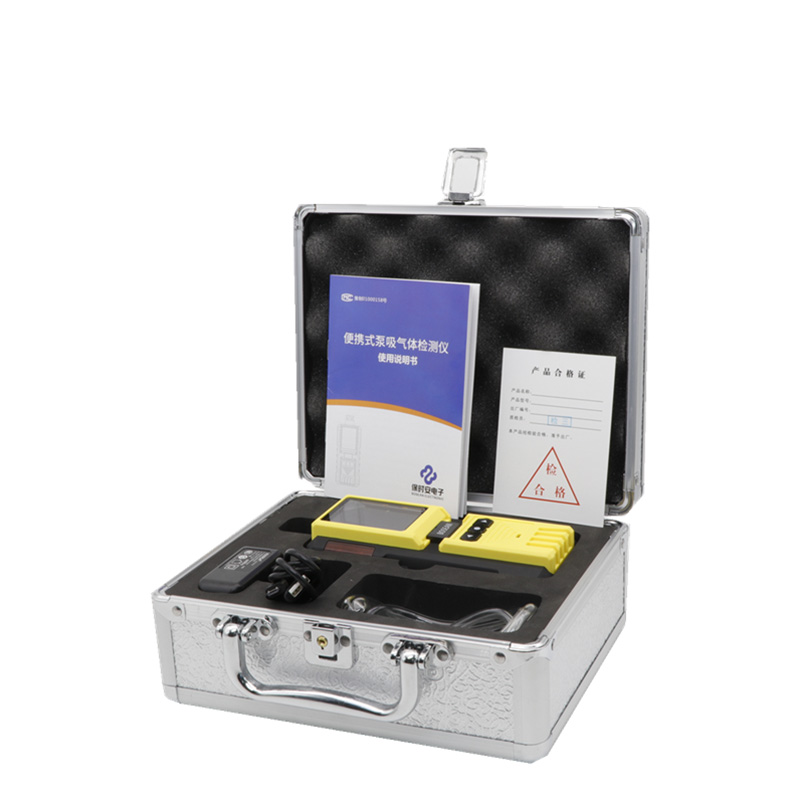
Bosean‘s K-600 Marine 5 in 1 Multi Gas Detector is configured for marine applications and is designed to monitor carbon monoxide, hydrogen sulfide, oxygen, carbon dioxide, and methane. The manufacturer identifies engine rooms, cargo holds, pump rooms, ballast tanks, and confined-space entry points among its intended application areas.
According to the official product specifications, the K-600 Marine uses pump sampling, has an accuracy of no more than ±5% F.S., and a response time of no more than 30 seconds. It provides LCD status information plus LED, audible, and vibration alarms for gas leakage, faults, low voltage, and pump operation.
Building Compliance Into Routine Operations
A reliable compliance program should connect equipment, procedures, training, and records. Crew members responsible for enclosed-space entry should know how to perform pre-entry testing, interpret alarms, identify abnormal readings, and respond according to the vessel’s established emergency procedures.
Calibration and functional checks should also be incorporated into the maintenance schedule. The IMO recommendations specifically call for properly calibrated equipment and following the manufacturer’s instructions. Operators should maintain appropriate records and ensure that instruments remain available, charged, and ready when needed.
For fleet managers, purchasing teams, and ship safety personnel, standardizing detector selection across similar vessels can simplify training and maintenance. However, standardization should not eliminate application review. Different vessels or cargoes may require different sensor combinations, sampling accessories, or additional instruments. For procurement guidance, Contact Us to discuss application-specific requirements.
Company Introduction
Bosean is a manufacturer specializing in gas detection and measurement instruments. Established in 2013, the company develops portable and fixed gas detectors, gas alarms, nuclear radiation detectors, air quality monitors, and related equipment. Its product portfolio includes dedicated marine gas detection models alongside single-gas, multi-gas, and gas-leak detection equipment.
For ship operators evaluating equipment, the most effective purchasing process begins with a clear hazard assessment and comparison of required gases, sampling conditions, operating environment, and applicable rules. If you need help reviewing detector options or discussing a marine application, Contact Us to share your requirements. Operators can also “Contact Us” before procurement. A well-matched Gas Detector can then become one practical component of a broader, documented approach to safer and more consistent vessel operations.
