
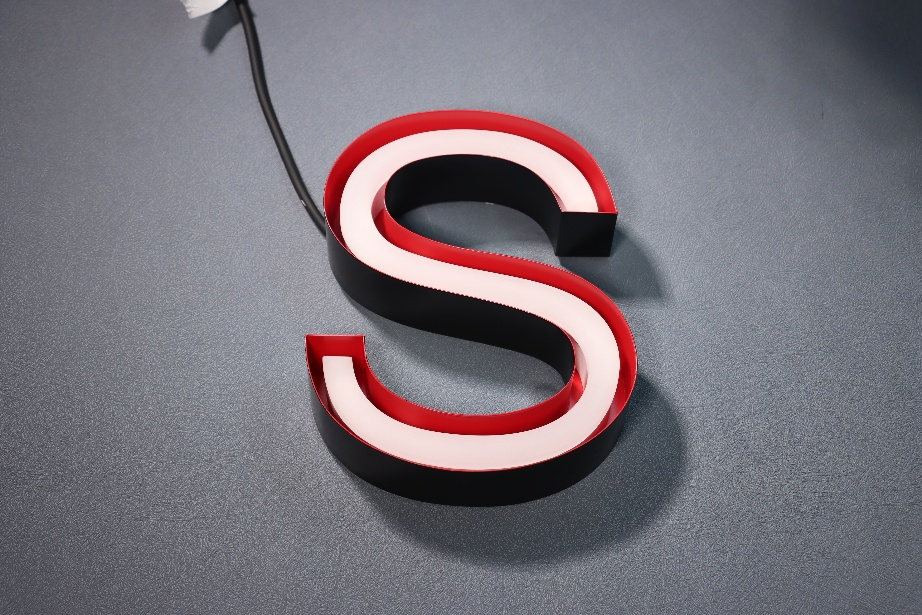
Faux neon signs have become a popular choice for businesses looking to add visual character to commercial interiors. Retail stores, hotels, restaurants, offices, and exhibition spaces often use illuminated signage to reinforce brand identity, enhance interior design, and highlight specific areas.
Unlike traditional neon signs made with glass tubes, modern faux neon solutions use LED technology to recreate the familiar glowing effect while offering more flexibility in design and installation. This allows businesses to explore different formats, from wall-mounted brand displays to freestanding decorative pieces and hanging signs.
As a signage manufacturer providing customized commercial solutions, Cosun Sign develops LED signage products for different business environments. Its faux neon solutions can incorporate acrylic structures, LED lighting, and customized designs to support branding and interior decoration projects, depending on the selected product and project requirements.

Why Installation Style Matters for Faux Neon Displays
Choosing a faux neon sign is not only about selecting colors or graphics. The installation method affects how the sign interacts with the surrounding space, how customers view it, and how effectively it communicates a brand message.
Different commercial environments have different requirements:
| Installation Style | Suitable Locations | Main Advantage |
| Wall-mounted | Retail walls, hotel lobbies, restaurants | Creates a fixed brand focal point |
| Freestanding | Reception areas, events, exhibitions | Flexible placement and relocation |
| Hanging | Open spaces, counters, ceilings | Improves visibility from multiple angles |
Understanding these options helps businesses select a format that matches their interior layout and customer flow.
Wall-Mounted Faux Neon Signs Create Strong Brand Focal Points
Wall-mounted signs are one of the most common choices for commercial interiors. They are often installed behind reception desks, inside retail stores, in restaurant dining areas, or on feature walls where businesses want to attract attention.
A wall-mounted design keeps the sign closely connected to the architecture of the space. Logos, slogans, and decorative graphics can become part of the overall interior design instead of appearing as separate elements.
For example, a café may use a glowing logo behind the counter to reinforce brand recognition, while a hotel may install a customized illuminated sign in a lobby or lounge area to create a distinctive atmosphere.
Custom Designs Expand Creative Possibilities
One of the advantages of LED-based neon alternatives is design flexibility. Businesses are not limited to standard lettering and can create unique shapes, symbols, and brand graphics.
custom faux neon signs allow companies to customize elements such as logos, text styles, colors, and visual effects according to their branding requirements.
This makes them suitable for businesses that want signage to reflect a specific identity. A fashion retailer may prefer a minimal logo design, while an entertainment venue may choose brighter colors and creative patterns.
Customization also allows designers to consider the surrounding environment. The size, shape, and lighting specifications can be selected according to whether the sign is intended for a small boutique or a larger commercial space.
Freestanding Neon Displays Offer Flexible Placement
Freestanding faux neon displays provide another option for businesses that need flexible placement or temporary branding elements.
Unlike fixed wall installations, freestanding signs can be positioned in suitable areas according to business needs and installation requirements. They are commonly used for:
- Reception areas
- Product launches
- Trade shows
- Retail promotions
- Event spaces
For example, a retail brand may use a freestanding illuminated logo near a new product display, while an exhibition booth may use a custom glowing sign to attract visitors.
This flexibility makes freestanding formats useful for businesses that frequently update their layouts or participate in promotional activities.
Hanging Signs Create Visibility in Open Spaces
In large interiors, wall space may be limited or crowded with other design elements. Hanging faux neon signs provide an alternative by using vertical space and potentially improving visibility in open areas.
Depending on the mounting design and site conditions, they may be suspended above counters, display areas, or suitable open spaces. Restaurants, shopping areas, and event venues may use hanging illuminated signs to identify specific zones or create decorative effects.
Because hanging installations interact with the surrounding environment differently from wall-mounted signs, designers need to consider viewing angles, ceiling height, and overall spatial balance.
Choosing the Right Faux Neon Format for Different Businesses
Different industries may select different installation methods based on their operational goals.
Retail stores:
Wall-mounted logos and freestanding promotional signs can help highlight brand areas, product displays, or checkout zones.
Hotels:
Lobby walls, reception areas, and social spaces often benefit from customized illuminated branding elements.
Restaurants and cafés:
Creative neon-style graphics can enhance atmosphere while helping customers recognize the brand.
Events and exhibitions:
Portable or hanging formats provide flexible visual communication during temporary campaigns.
The best choice depends on the purpose of the sign, available space, and desired customer interaction.
Materials and Construction Behind Modern Faux Neon Signs
Although faux neon signs are designed for visual impact, their construction also influences reliability and appearance. Modern LED faux neon products typically combine lighting components with materials such as acrylic panels and supporting structures.
Key design considerations include:
- Lighting performance:Ensuring consistent illumination across letters and graphics
- Material quality:Maintaining appearance and structural stability
- Power supply and electrical components: Matching the selected product’s specifications and installation requirements
- Installation method:Matching the sign structure with the intended location
A well-designed sign balances creative appearance with practical requirements for commercial use.
Using Faux Neon as Part of Interior Branding
Businesses increasingly view signage as part of the overall customer experience rather than simply a name display. Lighting, color, and placement can influence how visitors perceive a space.
A faux neon sign can serve as a branding element, decorative feature, or communication tool depending on how it is integrated into the environment.
When combined with thoughtful interior design, illuminated signage can help create recognizable spaces that customers remember.
Selecting the Best Installation Approach
There is no single installation style suitable for every project. Wall-mounted signs work well for permanent branding locations, freestanding designs provide flexibility, and hanging signs can improve visibility in open environments.
Before selecting a faux neon solution, businesses should consider the available space, viewing direction, brand objectives, and future usage requirements.
By matching the design, lighting specifications, and installation method to project requirements, businesses can integrate faux neon signage into their commercial interiors more effectively.
