
Outdoor gear innovation often comes with bold expectations. Lighter shelters, multifunctional equipment, new fabrics, and technology-driven designs can appear to promise dramatic improvements, but performance should always be judged against real use. Understanding the difference between marketing assumptions and practical capabilities helps campers make better purchasing decisions and evaluate modern outdoor equipment more realistically.
Myth One: Innovative Camping Products Are Just About New Materials

Innovation in outdoor equipment is often associated with advanced fabrics, coatings, or newly developed components. While materials are important, meaningful innovation usually involves how several elements work together.
A tent may combine lightweight fabric with redesigned attachment points, ventilation systems, pole structures, or adaptable configurations. The result can be more useful than simply replacing an older material with a newer one. Product innovation is therefore better understood as an improvement in the entire shelter system.
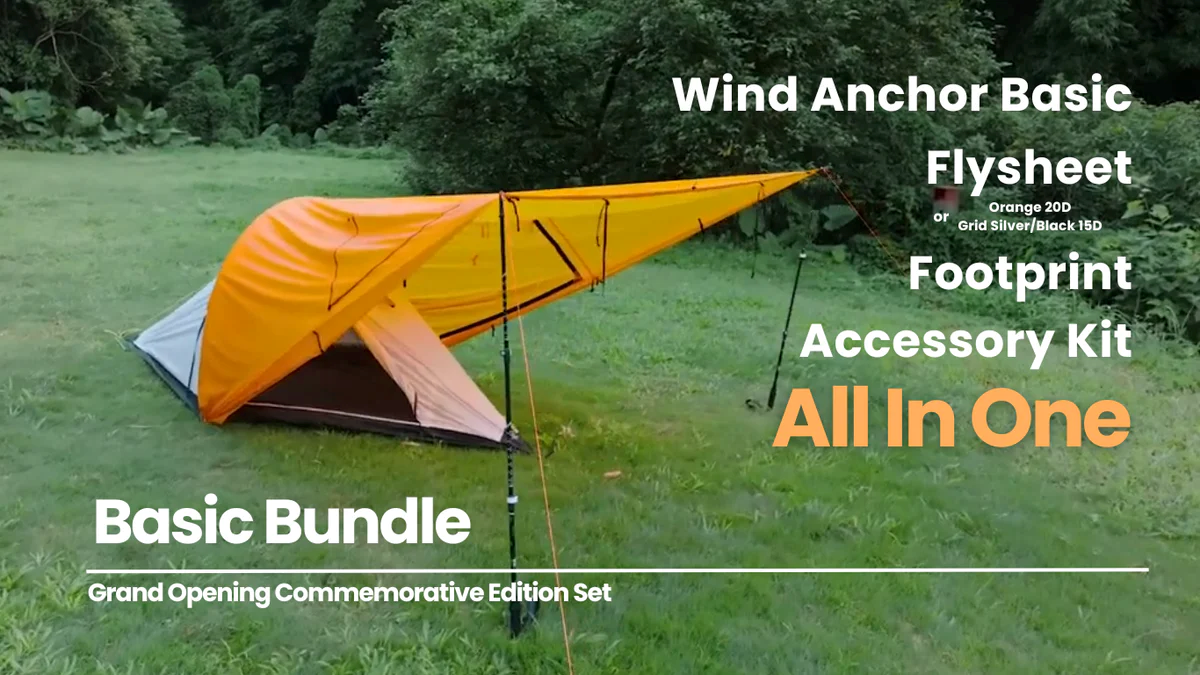
The THECATAL outdoor company describes its approach around outdoor technology and “ecological innovation,” combining traditional outdoor knowledge with modern material development. Its current product range includes lightweight hiking tents, car camping and mountaineering tents, the Floaty Series, and accessories.
This broader approach matters because outdoor performance rarely depends on one isolated feature. A well-designed product needs materials, structure, setup, and intended use to work together.
Myth Two: Lighter Always Means Less Durable
One of the longest-running assumptions in camping gear is that reducing weight automatically creates a weaker product. That is not necessarily the case.
Lightweight design can result from more efficient material use, structural optimization, and eliminating unnecessary components. A product can remain suitable for repeated use when its materials and construction are selected according to the conditions it is designed to handle.
However, lightweight does not mean indestructible. Every technical product has limits, and durability still depends on handling, setup, storage, and environment. Sharp ground, excessive tension, poor packing, and prolonged exposure to damaging conditions can affect even well-engineered equipment.
For this reason, buyers should compare weight alongside fabric construction, structural details, intended use, and maintenance requirements. Looking only at the lowest number on a specification sheet can create an incomplete picture of actual performance.
Myth Three: More Features Automatically Create Better Performance
Innovation can easily become confused with feature quantity. A tent with more adjustment points, accessories, or possible configurations is not automatically better than a simpler shelter.
Useful features should solve actual outdoor problems. Additional ventilation can help manage condensation. Adjustable anchoring can improve setup flexibility. A multifunctional shelter can reduce the need to carry separate equipment. Features become valuable when they contribute to comfort, efficiency, or adaptability rather than simply increasing complexity.
This is why innovative camping products should be evaluated through practical scenarios. Campers can ask whether a feature improves setup, weather protection, packability, storage, or usability. Retailers can use the same approach when deciding whether a new product offers meaningful differences from existing equipment.
Innovation is most useful when it makes outdoor tasks easier or helps equipment perform more effectively under realistic conditions.
Myth Four: Technology Eliminates the Need for User Skills
Modern camping equipment can simplify many outdoor tasks, but technology does not remove the importance of correct setup and use. A shelter still needs to be pitched properly, tension needs to be appropriate, and ventilation may need adjustment according to the weather.
For example, a weather-resistant shelter can perform differently depending on where it is pitched and how its guylines are positioned. Incorrect setup may create unnecessary stress on fabric or connection points, while poor ventilation can contribute to condensation.
User behavior is therefore part of product performance. Manufacturers can support this process by providing clear instructions, setting up information, and maintenance recommendations. Campers also have a responsibility to understand the intended use and limitations of the equipment they carry.
The best product design and good user practice work together rather than replacing one another.
Myth Five: Multifunctionality Means Complicated Equipment
Multifunctional products sometimes appear intimidating because they can support several different configurations. Yet versatility does not have to mean complicated operations.
A well-designed shelter may allow users to change its purpose without requiring a large collection of additional parts. One configuration may prioritize weather protection, another may create covered storage, and another may provide a temporary shelter during a break.
This can be particularly useful for backpackers who need to minimize the number of items carried. It can also benefit commercial operators managing equipment for different activities, since a product with multiple practical uses may serve more customers and situations.
The important distinction is whether the available configurations are genuinely useful. Flexibility should add practical value rather than create unnecessary set-up steps.
Myth Six: Product Claims Are Enough to Judge Performance
Marketing language can introduce impressive terms such as ultralight, advanced, sustainable, or innovative, but these descriptions are not enough to determine how a product will perform. Buyers should connect claims to measurable specifications and intended applications.
Useful information can include fabric type, product weight, dimensions, construction methods, warranty terms, setup instructions, and the environments for which a product was designed. Looking at several factors together provides a more realistic view than relying on one promotional phrase.
THECATAL states that it builds deep cooperative relationships with manufacturing plants and supplychain collaborators, carrying out regular tests and audits in line with its internal standards.The company also lists products as being in mass production and provides a two-year warranty, giving buyers additional information when evaluating product development and support.
This type of documentation helps move the conversation from general innovation claims toward practical evidence.
Myth Seven: Innovation Has to Be Radical to Matter
Not every meaningful improvement needs to completely redefine camping equipment. Small changes can have a significant effect when they address common frustrations.
Reducing setup time, improving ventilation, making packed equipment easier to carry, or allowing one component to serve multiple functions can all create measurable benefits. Incremental improvements may also be easier for users to understand and adopt than completely unfamiliar systems.
The most useful benchmark is simple: does the change improve the experience or solve an existing problem? When the answer is yes, innovation has practical value even if the underlying change seems modest.
Evaluating Innovation Through Real-World Use
Performance and innovation should ultimately be judged together. A product can introduce new materials or configurations, but those features matter only when they provide useful benefits in actual outdoor conditions. The THECATAL approach illustrates how product innovation can combine material development, adaptable design, and outdoor functionality rather than relying on novelty alone. For buyers, comparing documented specifications with real use is the most reliable way to separate meaningful innovation from marketing myths.
