
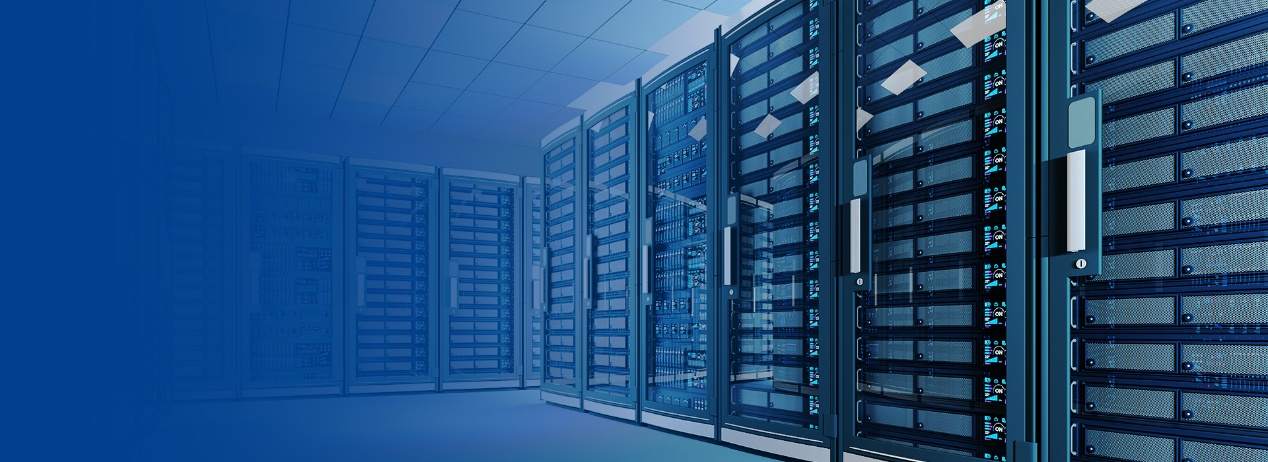
Computing infrastructure is increasingly required outside large, purpose-built data center campuses. Industrial facilities, edge sites, remote operations, and locations with limited space may need dedicated computing resources without the time and construction commitment associated with a conventional facility. Container data centers address this requirement by combining IT equipment with power, cooling, monitoring, and other supporting systems within a standardized enclosure.
More Than a Container for IT Equipment

A container data center is an integrated computing environment rather than a simple enclosure for servers. Depending on the configuration, it can include IT racks, UPS systems, batteries, power distribution, cooling, monitoring, containment, and physical protection.
The way these components are coordinated is central to the concept. Rack layouts need to correspond with cooling capacity, electrical distribution must support the expected IT load, and monitoring systems need visibility across critical infrastructure.
This integrated approach is part of the broader data center strategy associated with KSTAR, whose portfolio covers UPS, batteries, cooling, modular data centers, photovoltaic solutions, and energy storage. Such a combination is particularly relevant when a containerized facility needs to function as a complete infrastructure environment rather than an isolated IT enclosure.
A Practical Option for Edge Computing
Edge computing is one of the clearest applications for containerized infrastructure. Data generated by industrial equipment, connected devices, local networks, or automated systems may need to be processed close to the source instead of being sent to a distant central facility.
A compact data center can provide local processing and storage capacity while keeping critical computing resources physically close to operations. This can be useful for manufacturing plants, telecommunications facilities, transportation infrastructure, and other distributed environments.
The physical format also helps when building a permanent data center at every location would be disproportionate to the actual computing requirement. A standardized enclosure can establish a dedicated technical environment while reducing dependence on extensive conventional construction.
Supporting Remote and Industrial Operations
Remote industrial projects often face conditions that differ considerably from those of a conventional enterprise data center. Mining operations, energy facilities, factories, and infrastructure projects may require local computing while having limited access to purpose-built buildings.
Containerized deployment can provide a controlled environment for servers and supporting systems within these locations. The enclosure can be engineered around the local operating requirements while keeping critical equipment physically organized.
KSTAR’s published container data center information identifies deployment possibilities including mines, rooftops, and parking areas. This illustrates how the format can accommodate applications where available space or site conditions make traditional construction less convenient.
Even with compact architecture, site preparation remains important. Electrical supply, grounding, communications, environmental conditions, fire protection, security, and maintenance access all need to be addressed before installation.
Speed Matters When Capacity Is Needed Quickly
Some infrastructure projects cannot wait for the full construction cycle of a conventional data center. A company may be expanding operations, establishing an edge location, or responding to a sudden increase in computing demand.
Containerized infrastructure can shorten the path to deployment because much of the equipment integration takes place before the system reaches the final site. Factory assembly allows power, cooling, racks, and related components to be coordinated in a controlled environment rather than installed independently after delivery.
The project site can therefore focus more heavily on positioning, utility connections, commissioning, and final validation. This division of work can make scheduling easier, particularly when construction activities at the destination are constrained by time or space.
Power and Cooling Still Define Performance
The compact nature of a container does not reduce the importance of power protection and thermal management. In fact, limited physical space makes careful system coordination especially important.
UPS equipment, batteries, power distribution, rack density, airflow, and cooling need to be considered together. KSTAR’s containerized architecture incorporates hot-and-cold aisle containment and high-efficiency in-row cooling, demonstrating how thermal management can be built into the infrastructure rather than treated as a separate installation.
The relationship between electricity and cooling is also important for lifecycle planning. Higher IT loads require more power while generating more heat, so a system designed only around current rack capacity may encounter constraints as workloads increase.
Scalability Can Extend the Usefulness of the Architecture
A container data center does not have to remain tied to its original workload forever. Computing requirements can change as applications expand, additional equipment is introduced, or digital services grow.
Modularization can help address these changes. Instead of treating the first deployment as a fixed endpoint, organizations can establish a capacity plan that considers future power, cooling, floor space, and infrastructure requirements.
This makes container data center solutions particularly relevant to projects where capacity needs may develop in stages. KSTAR’s solution information emphasizes modularized architecture and the ability to expand or reconfigure the infrastructure compared with more traditional approaches.
Such flexibility can also influence procurement decisions. Buyers should consider not only the initial capacity but also how additional modules, maintenance activities, and future upgrades will fit into the original infrastructure design.
Site Constraints Often Influence the Final Choice
The decision to use a container data center is frequently driven by the site itself. A location may have limited floor space, difficult construction conditions, a short deployment window, or a need for localized computing.
In these situations, the standardized physical structure can provide a useful alternative to building a dedicated facility from scratch. The approach can also support repeatable deployment for organizations managing several distributed locations.
However, portability and compactness do not eliminate engineering requirements. Access routes, lifting arrangements, external utility connections, environmental protection, and service access should all be confirmed during project planning.
Matching the Architecture to the Application
Containerized infrastructure is not a universal replacement for permanent data centers. Large, centralized facilities with substantial and predictable workloads may still require purpose-built environments with much larger capacity.
Its value becomes clearer when the business needs computing close to operations, limited-space deployment, relatively rapid implementation, or a modular path for future growth. The appropriate choice depends on workload characteristics, site conditions, resilience requirements, and long-term operating plans.
Creating a More Flexible Computing Environment
A containerized approach brings together computing, power, cooling, and supporting infrastructure within a standardized deployment model. That makes it suitable for applications ranging from edge computing and industrial sites to remote operations and projects with constrained construction conditions.
For organizations that need local or rapidly deployable capacity, a containerized data center can provide a practical alternative to building an entirely new conventional facility. Its effectiveness ultimately depends on how well the architecture matches the site’s technical requirements and the organization’s future capacity plans.
