
Introduction
Used cooking oil (UCO) is an increasingly valuable feedstock for biodiesel production. However, high-acid UCO collected from restaurants and food processors contains not only high free fatty acids (FFA) but also challenging contaminants: chlorine (Cl) and sulfur (S). These elements, if not removed, poison catalysts, corrode equipment, and cause biodiesel to fail fuel specifications.
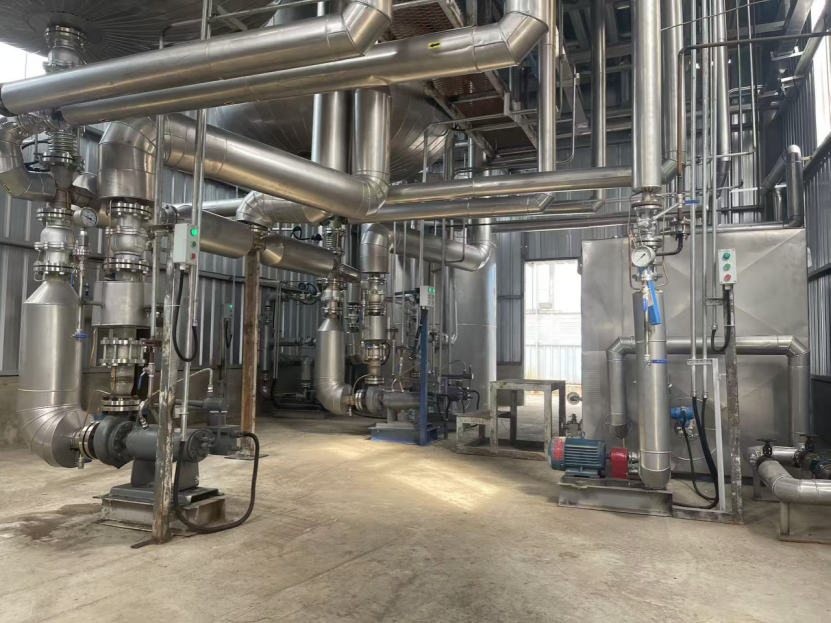
Ocean has designed and built over 20 UCO pretreatment lines globally. For UCO processors, we provide an integrated pretreatment system that addresses the most difficult parameters: chlorine, sulfur, moisture, and solids. This article explains the sources of these contaminants, their harmful effects, and Ocean’s methods for removing them.
The Three Core Challenges in UCO Pretreatment

Unlike refined vegetable oils, UCO is a variable, contaminated waste stream. Three parameters are particularly difficult to control:
Chlorine (Cl) – Originates from PVC food wrap, chlorinated cleaning agents, and salt (NaCl). Organic chlorine compounds are especially problematic because they are not water-soluble and can form corrosive hydrochloric acid (HCl) during thermal processing.
Sulfur (S) – Comes from sulfur-containing amino acids in food residues (meat, egg, dairy) and from sulfur-based preservatives. Sulfur poisons biodiesel catalysts and contributes to SOx emissions.
Free fatty acids (FFA) – High FFA content (10-50%) causes saponification with base catalysts. While FFA is not removed in pretreatment, high FFA requires two-step processing (esterification + transesterification) instead of conventional one-step alkali catalysis.
This article focuses on chlorine and sulfur removal – the most technically demanding aspects of UCO pretreatment.
Chlorine Removal – The Critical Challenge
Sources and Hazards
Chlorine enters UCO from three main sources: organic chlorine from PVC plastic wrap and chlorinated residues; inorganic chlorine from sodium chloride (table salt); and chlorinated contaminants from improper storage.
Chlorine causes two serious problems. First, it irreversibly deactivates catalysts – even 10-20 ppm can significantly reduce catalyst lifetime. Second, during high-temperature processing, organic chlorine compounds decompose into hydrochloric acid (HCl), which corrodes stainless steel equipment, particularly at welds and in condensers.
Ocean’s Chlorine Removal Approach
Ocean’s UCO pretreatment line removes chlorine through a combination of physical separation and chemical adsorption:
Hot water washing (for inorganic chlorine) – UCO is mixed with hot water (80-90°C) at 10-20% water by weight. Inorganic chlorine dissolves into the water phase, which is then separated by centrifuge. One wash typically removes 70-90% of inorganic chlorine.
Adsorption (for organic chlorine) – After water washing, residual organic chlorine is removed by passing the oil through activated carbon or bleaching clay beds. Adsorption can reduce total chlorine from 50-100 ppm to below 10 ppm – the level required for trouble-free downstream processing.
Vacuum drying – Final heating under vacuum (80-100°C, 50-100 mbar) volatilizes any remaining light chlorinated compounds.
Sulfur Removal – Protecting Catalysts and Emissions Compliance
Sources and Hazards
Sulfur in UCO comes primarily from sulfur-containing amino acids in meat, egg, and dairy residues, and from sulfur-based preservatives. Organic sulfur compounds are oil-soluble and not removed by simple water washing.
Sulfur is detrimental for three reasons. It strongly poisons chemical catalysts (nickel, cobalt-molybdenum, platinum) and can denature enzymatic catalysts. Sulfur in biodiesel results in SOx emissions, and international standards (ASTM D6751, EN 14214) limit sulfur to 10-15 ppm maximum. Additionally, sulfur compounds contribute to unpleasant odors.
Ocean’s Sulfur Removal Methods
Adsorption – The most effective practical method for UCO sulfur removal is adsorption. Ocean’s system uses impregnated activated carbon (treated with copper, zinc, or iron oxides that react with sulfur compounds) combined with bleaching clay. Typical sulfur reduction from adsorption is 50-80% per pass.
Distillation – For UCO processed into oleochemicals or renewable diesel, vacuum distillation is highly effective but capital-intensive. For most biodiesel feed applications, adsorption is the preferred method.
Upstream control – The most effective sulfur control is preventing food residues from entering the UCO collection system. Ocean works with clients to improve filtration and decanting before oil reaches the pretreatment plant.
Supporting Processes – Solids, Water, and FFA
While chlorine and sulfur are the most difficult parameters, three other parameters must also be controlled:
Solids removal – Food particles and bone fragments are removed by vibrating screens (500-1000 micron), decanter centrifuges for fine solids, and polishing filters (10-50 micron) as final guard.
Water removal (drying) – Moisture must be reduced to below 0.1% for downstream processing. Ocean’s vacuum drying system operates at 50-100 mbar and 80-100°C, reducing water without oxidizing the oil.
FFA management – FFA is not removed during pretreatment. Instead, the FFA level determines the subsequent processing route: below 5% for one-step alkali catalysis, 5-30% for two-step processing, and above 30% for two-step with higher catalyst loads.
Ocean’s two-step processing technology for high-acid UCO handles FFA up to 50% efficiently. After pretreatment, the purified UCO enters this esterification and transesterification process.
Process Summary
A complete Ocean UCO pretreatment line includes: coarse screening, heating to 70-90°C, desanding, hot water washing, three-phase centrifugation, vacuum drying to below 0.1% moisture, adsorptive polishing (activated carbon and clay), and final polishing filtration.
Key quality targets after Ocean pretreatment – Moisture below 0.1%, total solids below 0.02%, chlorine below 10 ppm, and sulfur below 15 ppm (or below 10 ppm for EU/China standards).
Conclusion
High-acid, high-impurity UCO is a challenging but valuable feedstock. The most difficult contaminants – chlorine and sulfur – cannot be removed by simple filtration. They require targeted methods: hot water washing for inorganic chlorine, activated carbon adsorption for organic chlorine and sulfur, and rigorous solids control.
Ocean’s integrated UCO pretreatment line reduces chlorine to below 10 ppm and sulfur to below 15 ppm, producing a clean, stable feedstock ready for two-step esterification and transesterification.
For process diagrams, equipment specifications, or a customized solution for your UCO feedstock, please visit Ocean or contact our engineering team directly.
