
When managing chronic metabolic conditions, strict adherence to prescribed medication schedules is often essential. Patients generally depend on specific delivery devices to maintain stable glucose levels. Unexpected disruptions to this routine might occasionally lead to undesirable health fluctuations. Establishing a reliable supply chain usually helps individuals avoid stressful situations during critical administration times.
Unforeseen circumstances frequently arise, potentially complicating a meticulously planned care regimen. A dropped medical bag or a delayed shipment might temporarily restrict access to essential equipment. Medical professionals typically recommend maintaining a strategic surplus of disposable attachments in various locations. This proactive approach generally offers significant peace of mind for individuals managing long-term therapies.

The Rationale for Maintaining Home Reserves
The primary residence typically serves as the central hub for managing personal medical inventory. Individuals may keep a small backup supply in an appropriate storage location to avoid running out of pen needles. However, storing smaller emergency caches in different areas of the house generally prevents delays if the primary storage becomes temporarily inaccessible.
Accidents such as dropping a fresh component onto an unsterilized surface usually render it unsafe for immediate use. When these minor mishaps occur, having immediate access to a replacement generally ensures the administration process continues seamlessly. Localized home backups significantly reduce the frustration often associated with interrupted therapeutic routines.
Managing Essential Supplies in the Workplace
Many individuals spend a significant portion of their waking hours in professional environments. Navigating workplace demands while adhering to a strict medication schedule frequently presents unique logistical challenges. Relying solely on supplies carried in a daily commute bag might occasionally prove risky. Establishing a secure backup stash at the office generally mitigates this risk.
Workplace environments might also introduce unexpected scheduling changes, such as mandatory overtime or impromptu meetings. Unexpected changes to the work schedule can make it harder to follow a prescribed medication routine. Keeping a backup supply at work may make it easier to follow the routine when those changes occur.
Navigating Travel with Needles for an Insulin Pen
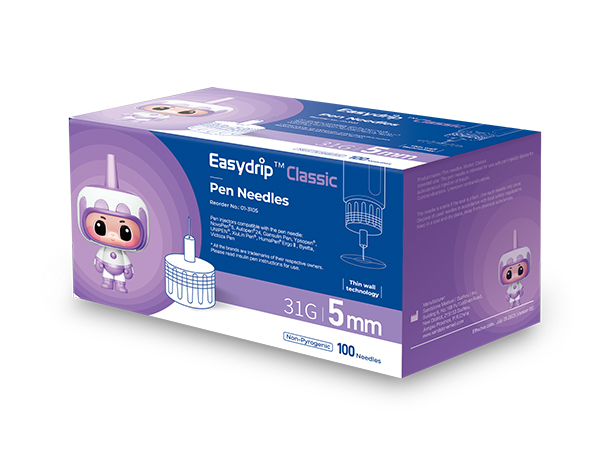
Leaving familiar environments usually amplifies the need for meticulous medical preparation. Travelers frequently encounter unpredictable variables, ranging from misplaced luggage to prolonged transit delays. Relying strictly on a precisely calculated number of disposable items is generally considered highly vulnerable. Packing a generous surplus of needles for insulin pen typically provides a vital safety net.
Environmental factors encountered during transit might also compromise the integrity of delicate medical packaging. Exposure to extreme humidity or accidental crushing frequently breaches protective sterile seals. If visual inspections reveal compromised packages, those units should generally be discarded immediately. Carrying extra supplies typically ensures individuals can safely replace damaged goods without stress.
Prioritizing Equipment Quality and Broad Compatibility
The strategy of keeping backup supplies generally relies heavily on the overarching quality of the chosen products. Inconsistent manufacturing might lead to frustrating mechanical failures just when a backup is needed most. Using compatible, quality-controlled pen needles can help reduce the risk of connection or handling problems when a replacement is needed.
Ensuring broad interoperability is typically essential when managing supplies across multiple locations. Products engineered to meet stringent standards like ISO 11608-2, coupled with comprehensive needle-to-pen compatibility testing, generally offer highly reliable connections with various commercial delivery platforms. This multi-level validation usually prevents the stressful discovery that an emergency backup component does not fit correctly.
Trusting Established Manufacturers Like SteriLance
Selecting a reputable producer often significantly reduces the anxiety associated with medical inventory management. Established organizations generally invest substantial resources into advanced precision engineering and quality assurance protocols. Prioritizing a reliable manufacturer like SteriLance typically provides users with highly consistent functional performance. Dedicated suppliers frequently understand the critical nature of dependable care.
Pen needle components may use materials selected to meet applicable mechanical and biocompatibility requirements. This meticulous material selection generally translates into a gentler administration process, even when using items stored for extended periods. Consistent reliability usually remains a top priority for individuals attempting to maintain multiple active supply caches.
Fostering a Resilient Daily Care Strategy
Developing a robust strategy for managing daily therapeutic equipment generally fosters a more resilient approach to chronic care. Distributing essential supplies across homes, workplaces, and travel bags typically insulates individuals from unpredictable daily disruptions. Proactive planning frequently allows individuals to focus on their daily lives rather than worrying about sudden equipment shortages.
Ultimately, seamlessly integrating backup medical supplies into various aspects of life empowers patients to navigate their daily routines with greater autonomy. Keeping compatible insulin pen needles in appropriate locations at home, work, or while traveling may reduce the likelihood of unexpected shortages. Keeping appropriate backup supplies can make routine insulin administration easier to manage when unexpected shortages or travel disruptions occur.
Disclaimer: This content is provided for general health education and informational purposes only. It does not constitute medical advice, diagnosis, or treatment. Individual health conditions vary, and no health education article can replace a face-to-face consultation with a qualified healthcare professional or licensed medical institution. If you have specific health concerns or feel unwell, please seek care from a licensed medical facility and do not delay treatment because of content on this platform.
