
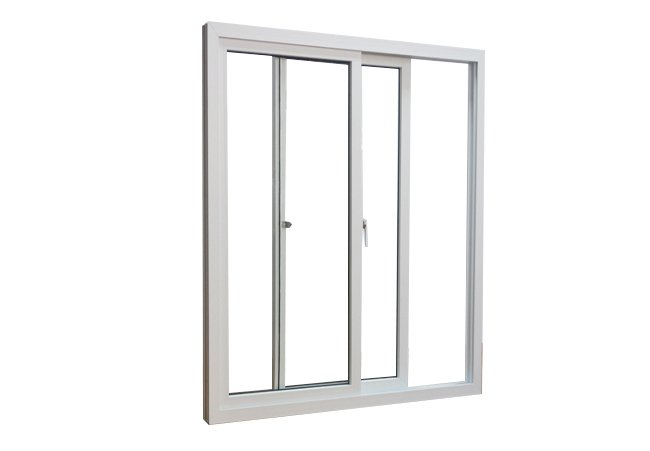
As temperatures climb and the sun becomes a constant companion, the focus of home design shifts toward maintaining a cool, comfortable sanctuary. For homes featuring large transitions to gardens or balconies, the performance of aluminum sliding glass patio doors is central to this mission. While glass walls are often associated with heat gain, modern thermal engineering has turned these expansive openings into sophisticated barriers that repel summer heat while preserving panoramic views.
The Physics of Summer Heat Management
The primary challenge during the summer months is managing two types of heat: radiant heat from direct sunlight and conductive heat from the outside air. Traditional metal frames were once criticized for their high conductivity, but the “popular science” behind modern aluminum sliding glass doors has completely rewritten this narrative through two critical innovations:
- Thermal Break Technology: Modern aluminum frames are no longer a single piece of metal. They utilize a “thermal break”—a high-density, non-conductive polyamide strip—that separates the interior and exterior aluminum profiles. This break effectively interrupts the “thermal bridge,” preventing the scorching heat of the outer frame from transferring to the inside of your home.
- Solar Heat Gain Coefficient (SHGC): This technical metric measures how much solar radiation passes through the glass. Advanced glazing for sliding doors often includes spectrally selective Low-E coatings. These microscopic metallic layers reflect long-wave infrared energy (the heat you feel) back into the atmosphere while allowing visible light to pass through, keeping your living room bright but cool.
Enhancing Airflow and Indoor Comfort

While insulation is vital, summer comfort also relies on the ability to move air. Sliding doors are unique in their “variable” ventilation. Unlike fixed windows, aluminum sliding glass patio doors allow you to precisely control the opening size to catch prevailing summer breezes.
From an architectural standpoint, the stability of aluminum is a major summer advantage. In high-humidity environments, materials like wood can swell, leading to doors that stick or seals that no longer align. Aluminum remains structurally inert; it does not warp or expand significantly in the heat, ensuring that your airtight seals remain perfectly seated. This prevents your expensive air-conditioned air from leaking out and keeps humid, heavy air from seeping in.
Industrial-Grade Cooling with Bunniemen
Achieving peak summer performance requires a manufacturer that prioritizes precision and material science. Bunniemen is a reliable supplier of aluminum sliding glass balcony doors in China. They have a large production base covering an area of 3,500 square meters and a team of 100 highly skilled professionals. Their advanced laboratories and testing equipment ensure that they can provide high-quality and customizable solutions.
A standout solution for sun-drenched patios is the Bunniemen 70 Series Aluminum Sliding Glass Door. This system is engineered with 1.4mm-thick high-grade aluminum profiles that provide the structural rigidity needed to hold heavy, insulated glass units. The 70 Series offers a 5-9A-5 double tempered glass configuration, which creates a significant insulating air gap that reduces heat conduction.
To further enhance summer livability, these doors feature high-quality EPDM or silicone gaskets that are specifically designed to resist UV aging and temperature extremes. This means the seals won’t become brittle or lose their “spring” even after years of exposure to direct sunlight. Additionally, the optional fiberglass mosquito screen allows homeowners to leave the doors wide open for evening ventilation without worrying about insects. By choosing a manufacturer that balances heavy-duty engineering with sleek, modern aesthetics, you can enjoy a seamless indoor-outdoor lifestyle all summer long without compromising on energy efficiency.
