
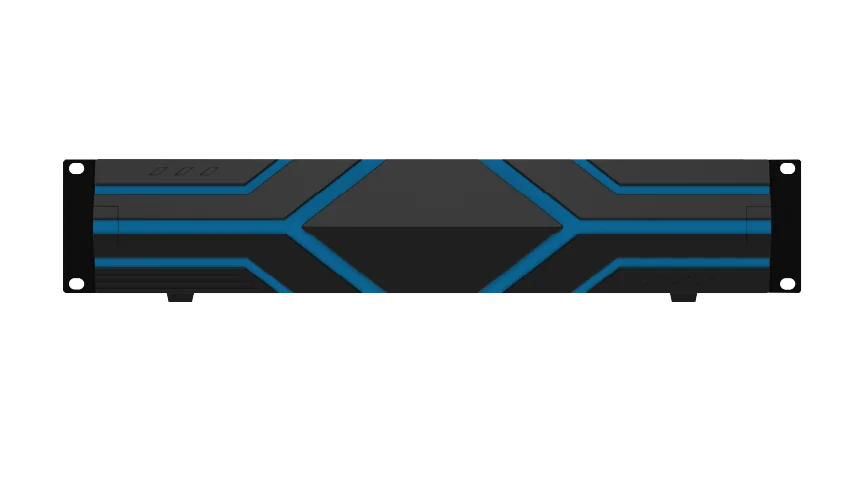
Choosing the correct control equipment is one of the most important steps when building a professional LED display system. A high-quality video processor for LED wall applications directly affects image quality, signal compatibility, screen performance, and overall operating stability.
LED walls are widely used in stage performances, conference rooms, command centers, exhibitions, commercial spaces, and virtual production environments. Each application has different requirements for resolution, input sources, screen size, and content management. Selecting a suitable processor requires understanding these factors rather than focusing only on basic specifications.

A professional processor should not only receive and process video signals but also provide flexible control, accurate scaling, and reliable performance for different LED display scenarios. Kystar provides professional video processing solutions designed for complex LED wall projects, including large-scale and customized visual applications.
Consider the Display Size and Processing Capacity First
The first factor to evaluate when selecting a video processor for LED wall systems is the size and pixel capacity of the display. Larger LED walls require processors with stronger processing capabilities because they must handle more image data and higher-resolution signals.
For small indoor LED screens, a compact processor may provide sufficient performance. However, large stage backgrounds, rental LED walls, and fixed installations often require equipment with higher loading capacity and multiple output channels.
Before choosing a processor, users should calculate the total pixel count of the LED wall and compare it with the processor’s maximum processing capacity. This ensures that the equipment can deliver stable images without reducing resolution or limiting future expansion.
Check Input Sources and Signal Compatibility
Modern LED wall projects often involve multiple video sources, including cameras, media servers, computers, and broadcast equipment. Therefore, input compatibility is a key consideration when selecting a processor.
A suitable video processor for LED wall applications should support common professional interfaces such as HDMI, DisplayPort, DVI, SDI, or other high-bandwidth signal formats depending on the project requirements.
For broadcast studios, live events, and virtual production environments, signal flexibility becomes especially important. A processor with multiple input options allows operators to switch between different sources more efficiently and reduces the need for additional conversion equipment.
Evaluate Resolution and Image Processing Performance
Image quality is directly influenced by the processor’s ability to handle high-resolution content. As LED walls continue moving toward fine pixel pitches and ultra-high-definition applications, processing performance has become increasingly important.
A professional processor should support advanced scaling, image adjustment, and accurate signal processing to maintain clarity across different screen sizes. For example, Kystar’s splicing processors support high-resolution processing, including 8K signal handling and advanced multi-layer management for demanding visual applications.
For projects requiring detailed graphics, live camera feeds, or immersive content, choosing a processor with strong image processing capabilities helps maintain consistent visual quality.
Select Features Based on Application Requirements
Different LED wall applications require different functions. A processor used for a simple advertising display may not need the same features as one used for a large entertainment production.
For stage events and concerts, features such as seamless switching, multi-window display, and flexible layouts are valuable because operators need to manage different content sources during live performances.
For command centers and control rooms, multi-screen management and stable long-term operation are more important. Large installations may require processors that support multiple outputs, complex layouts, and centralized control.
Kystar’s video processing solutions include professional splicing processors designed for applications such as TV studios, command centers, exhibition halls, conference rooms, and stage performances.
Pay Attention to Multi-Layer and Layout Management
Creative LED walls often require more than displaying a single full-screen image. Many projects use multiple windows, overlays, and independent content areas.
A powerful video processor for LED wall systems should support flexible layer management, allowing users to resize, position, and combine different video sources. This function is especially useful for events, exhibitions, and immersive installations where visual layouts frequently change.
Advanced processors can simplify complex operations by allowing multiple content elements to be controlled from one system. This improves efficiency and helps production teams create more dynamic visual experiences.
Consider Control Methods and System Integration
A processor should also fit into the overall control environment. Professional LED projects often include lighting systems, audio equipment, media servers, and automation platforms.
Easy operation and system integration can significantly improve workflow efficiency. Web-based management, centralized control platforms, and user-friendly interfaces allow technicians to configure and monitor systems more effectively.
For example, some Kystar processing solutions support integrated management features that help users control complex display environments through unified workflows.
Plan for Future Expansion and Reliability
An LED wall is usually a long-term investment, so the selected processor should support future project requirements. A processor with expandable capacity, flexible interfaces, and reliable hardware design can reduce replacement costs when the display system grows.
Reliability is particularly important for rental events, broadcast applications, and mission-critical environments. Stable signal processing, backup options, and durable hardware help prevent interruptions during important occasions.
Users should also consider whether the processor can support future upgrades, such as higher resolutions, additional screens, or new content formats.
Choosing the Best Video Processor for LED Wall Performance
Selecting the right video processor for LED wall projects requires careful evaluation of display size, signal requirements, processing capability, application features, and future expansion needs.
The ideal processor should provide stable image quality, flexible content management, and reliable operation for the specific environment where it will be used. Whether the project involves a stage performance, commercial display, control room, or immersive visual installation, the right processing solution can significantly improve the final viewing experience.
By understanding technical requirements and matching them with professional equipment, users can build LED wall systems that deliver clear images, smooth operation, and long-term value. Kystar continues to develop advanced LED display control solutions that help customers achieve precise and creative visual results across different industries.
