
Growing EV adoption is forcing commercial and industrial facilities to rethink how they manage electricity. Charging stations are increasing grid pressure, while rising peak demand charges continue to affect operating costs for business owners and energy operators.
For many projects, the issue is no longer simply adding charging capacity. The bigger challenge is maintaining grid stability, reducing energy expenses, and ensuring reliable power during fluctuating demand periods.
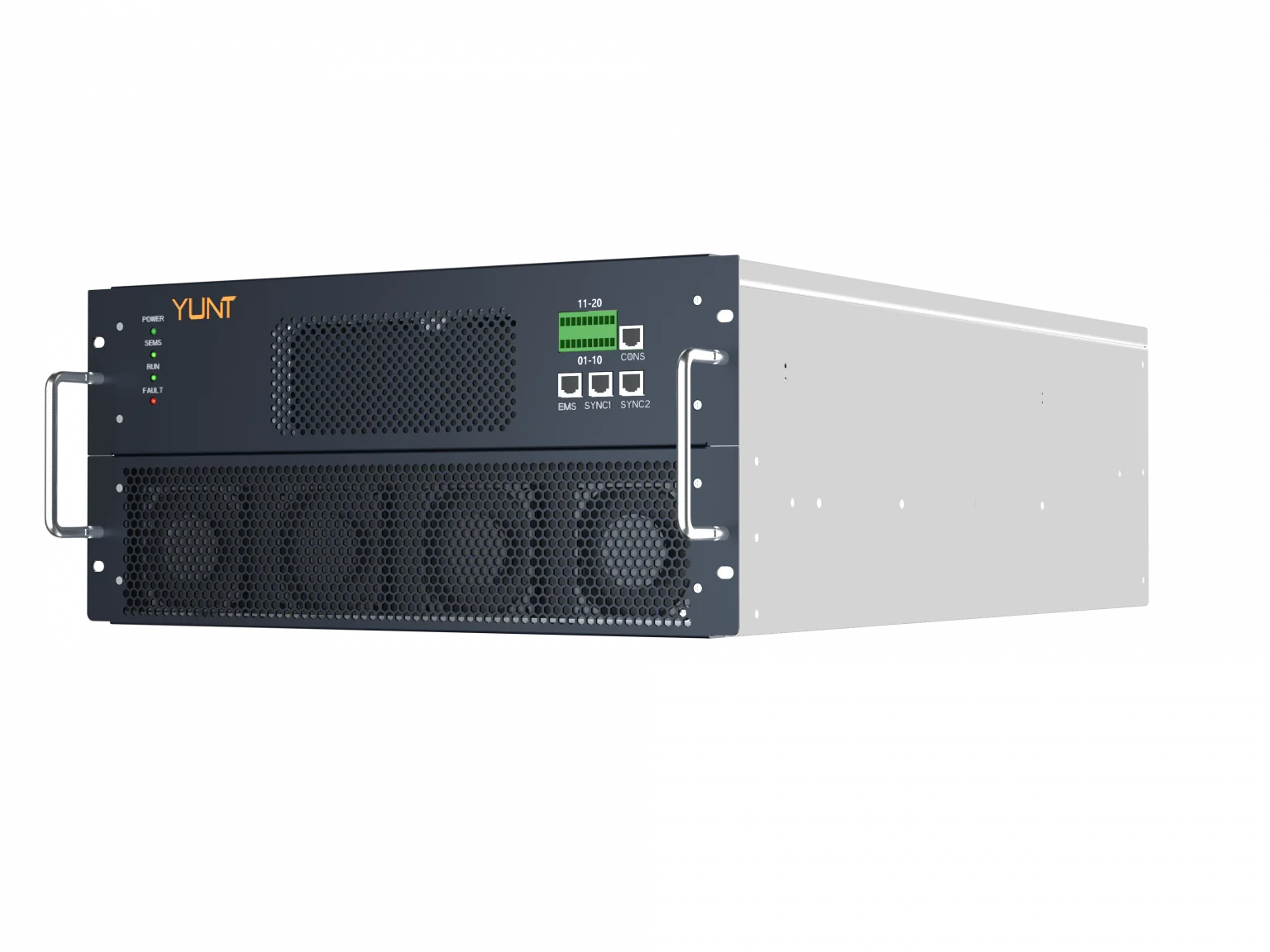
This is where advanced PCS module technology is becoming essential. A high-performance bidirectional power module allows energy to flow intelligently between storage systems, charging infrastructure, and the grid. For industrial parks, fleet operators, and commercial charging networks, this creates a more flexible and cost-efficient energy strategy.
YUNT focuses on delivering full-scenario commercial and industrial energy storage solutions designed to address these operational pain points.

Why Bidirectional Energy Flow Matters for EV Charging
Traditional charging infrastructure often creates sudden spikes in electricity consumption. These peaks can increase utility costs significantly, especially for facilities operating large EV fleets or multiple fast chargers.
A modern bidirectional power module helps balance this load by enabling energy storage systems to charge during off-peak periods and discharge during high-demand hours. This process supports peak shaving while reducing stress on the local grid.
YUNT’s PCS module solutions are engineered with advanced three-level topology and a three-phase four-wire design. This improves conversion efficiency while maintaining stable operation in demanding industrial environments.
For project owners, this means lower operational costs and better energy utilization. Instead of expanding grid capacity immediately, businesses can optimize existing infrastructure through smarter energy management.
Supporting Grid Stability and Operational Reliability
As charging infrastructure expands, grid interaction becomes increasingly important. Poor power quality or unstable operation can affect sensitive equipment, disrupt industrial production, and create downtime risks.
YUNT integrates built-in VSG networking functionality into its bidirectional power module architecture. This feature improves grid support capability and helps maintain stable system coordination during changing load conditions.
For industrial and commercial operators, reliability is critical. EV charging stations are often connected to facilities that cannot tolerate unexpected interruptions. A dependable PCS module helps maintain continuous operation while supporting both grid-connected and energy storage applications.
This flexibility also supports future energy expansion. Businesses can gradually scale charging infrastructure without redesigning the entire power system, reducing long-term investment pressure.
Real-World Benefits for Industrial Parks
Practical deployment performance often determines whether an energy project delivers long-term value. A strong example is YUNT’s 125kW/258kWh energy storage cabinet used in an industrial and commercial park in Jinhua, Zhejiang.
The system integrates 280Ah battery cells into a total storage capacity of 258kWh while reaching a maximum DC-side voltage of 1000V. Compared with traditional 100kW/215kWh integrated cabinets, the solution requires fewer parallel connections.
This design creates several advantages for large industrial applications. It reduces floor space requirements, lowers overall cost per kilowatt-hour, and simplifies system architecture. For facilities combining EV charging with peak shaving strategies, these operational savings can significantly improve project economics.
The bidirectional power module also allows energy to move efficiently between storage systems and charging infrastructure, helping facilities control demand spikes during busy charging periods.
Building Smarter Energy Infrastructure for Future Growth
Commercial EV charging is no longer only about adding chargers. Businesses now need integrated energy strategies that improve efficiency, control costs, and maintain operational stability.
A high-performance PCS module plays a central role in this transition by enabling intelligent energy flow and flexible grid interaction. Meanwhile, a reliable bidirectional power module helps facilities balance charging demand while supporting long-term energy resilience.
YUNT combines advanced engineering, scalable architecture, and globally compliant solutions to support industrial and commercial energy projects worldwide.
