
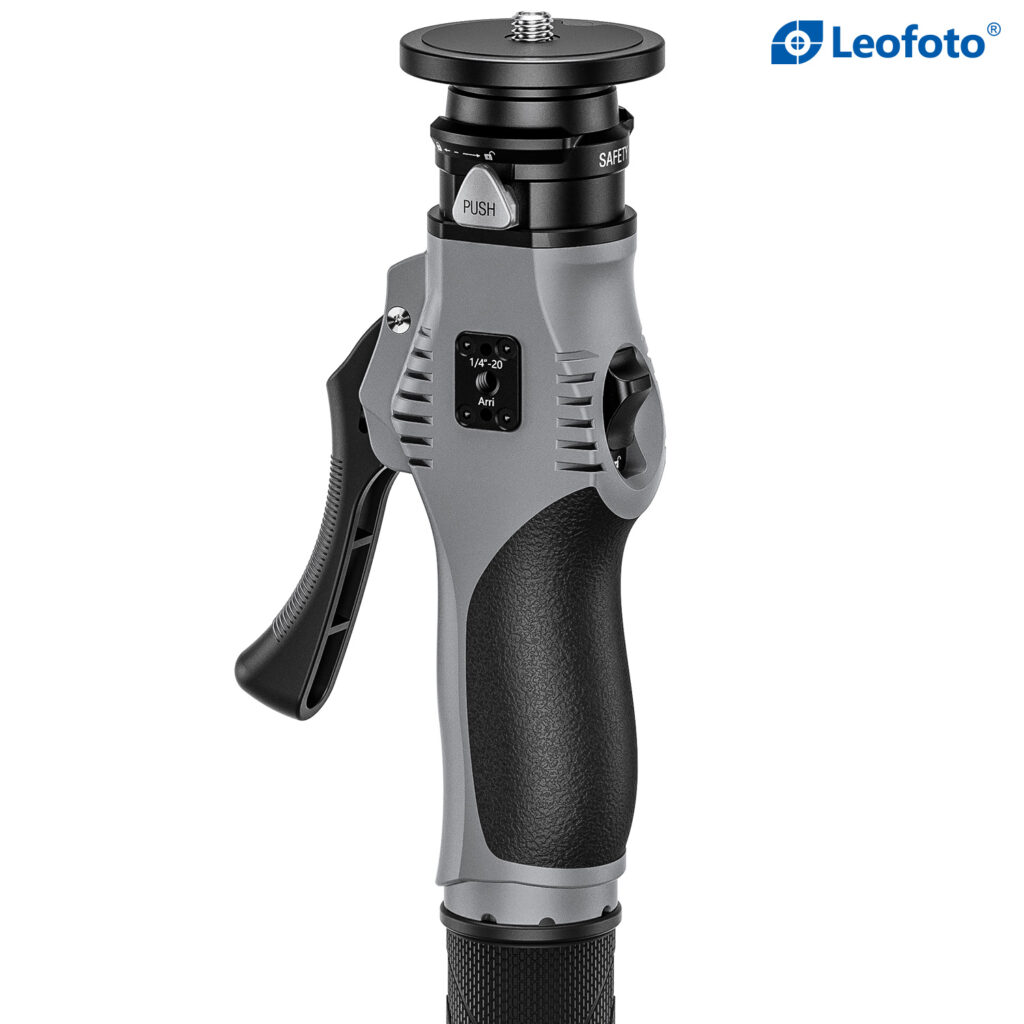
Sports photography demands exceptional speed, physical endurance, and mechanical stability. Action on the pitch shifts within fractions of a second, moving from distant end zones to sideline boundaries without warning. Photographers carrying 400 mm or 600 mm lenses cannot manage such physical mass handheld across full match durations without sacrificing composition.
Deploying a dedicated monopod for camera support bridges the gap between handheld agility and static tripod rigidity. Heavy telephoto lenses produce severe arm fatigue, degrading shot timing and causing framing blur during prolonged athletic events. Support equipment must bear substantial physical weight while granting unrestricted panning mobility across dynamic shooting angles.

Identifying which mechanical elements genuinely matter requires evaluating the physical environment along the field perimeter. Muddy turf, rapid movement, shifting vantage points, and sudden physical impacts constantly challenge support gear. Prioritizing correct mechanical features helps photographers maintain sharp focus and responsive framing throughout fast-moving professional competitions.
Rapid Elevation Control and Single-Action Lock Mechanics
Field sports force shooters to change vertical heights constantly between plays. Action alternating between low-angle goalmouth dives and eye-level midfield sprints demands immediate height modifications. Loosening multiple threaded leg collars on traditional supports wastes crucial seconds, frequently causing missed peak action moments during crucial scoring drives.
One-click height adjustment mechanisms fundamentally transform sideline workflow by consolidating operational height control into a single motion. Systems engineered by Leofoto allow photojournalists to release and lock leg stages without bending down to manipulate individual twist rings. Raising or lowering the camera rig happens almost instantaneously between continuous athletic volleys.
Friction-regulated telescoping stages prevent sudden collapses when carrying heavy optical configurations. A well-designed camera monopod maintains smooth internal damping, allowing controlled elevation travel under downward pressure. Rapid mechanical deployment preserves athletic focus, helping photojournalists concentrate entirely on ball tracking rather than cumbersome hardware adjustments.
Heavy-Duty Carbon Tube Diameter and Vibration Dampening
Payload ratings dictate whether a support platform can securely handle high-end professional camera bodies paired with massive prime lenses. Flagship mirrorless bodies mounted to fast telephoto glass generate significant downward force and front-heavy torque. Flimsy supports exhibit lateral flex, creating micro-movements that soften fine image details during critical moments.
Multi-layer carbon-fiber construction establishes structural rigidity while shaving excess weight from transport loads. Crossed composite fibers absorb mechanical vibrations generated by high-speed shutter curtains and sideline movements. Reduced physical mass preserves operator stamina over long tournament days involving miles of walking along touchlines and stadium ramps.
Substantial leg section diameters measuring up to 36 mm resist rotational torsion and downward deflection under load. Selecting a three-section monopod for camera setups minimizes joint connections, maximizing wall strength along the entire column. Fewer joints translate directly to stiffer vertical support when resting heavy gear between active plays on the field.
Quick-Release Collar Architecture and Direct Mounting Security
Fast transitions between supported shooting and handheld mobility define modern action coverage. Photographers regularly strip telephoto setups off support poles to capture rapid post-game celebrations, dugout reactions, or awards ceremonies. Threading mounts manually onto tripod collars proves far too slow for fluid stadium environments where athletes move unpredictably.
Integrated quick-release assemblies solve this operational bottleneck by allowing single-handed equipment detachment within seconds. Manufacturing advancements from Leofoto incorporate secure quick-release platforms that lock directly onto standard foot brackets without introducing mechanical play. Firm retention mechanisms stop accidental disconnects while running through crowded stadium tunnels or media corridors.
Reversible mounting studs providing both 1/4-inch and 3/8-inch threads expand operational versatility across various support heads. Operating an adaptable camera monopod enables shooters to attach heavy gimbal heads, tilt units, or direct lens foot brackets interchangeably. Solid metal contact plates prevent rotational slippage during rapid panning maneuvers along the boundary line.
Sideline Maneuverability, Grip Ergonomics, and Multi-Terrain Ground Contact
Weather conditions during outdoor field assignments range from freezing sleet to intense summer heatwaves. Exposed metal shafts quickly become uncomfortable or slippery to hold under adverse weather patterns. Ergonomic silicone or textured rubber handle wraps provide positive hand traction, preventing slippage during rapid lateral pans in pouring rain.
Reliable wrist straps provide secondary drop protection during chaotic scuffles along crowded player benches. Engineering protocols utilized by Leofoto emphasize balanced load distribution, placing grip sections at the natural balance point of the collapsed system. Secure handling surfaces help photographers navigate tight media pens without dropping costly equipment during high-pressure scrums.
Footing mechanics dictate base anchoring across grass turf, synthetic running tracks, hardwood basketball courts, and gravel sidelines. Equipping a heavy-duty camera monopod with interchangeable footing adapts the base directly to changing ground textures. Broad rubber feet grip polished gym floors, while stainless steel spikes penetrate wet outdoor mud and turf.
Operational Stability Across High-Speed Sports Environments
Stadium environments demand rapid mobility that allows shooters to follow dynamic game momentum across the venue. Heavy support legs must collapse down to compact transport lengths, fitting neatly into sideline rolling cases or shoulder slings. Reducing collapsed dimensions enables photojournalists to navigate crowded spectator concourses without hitting surrounding spectators or staff.
Smooth rotational flexibility at the base allows photographers to track wide-angle plays across the entire pitch. Pivoting foot designs absorb lateral angle changes as the shooter leans forward or steps backward. Flexible ground contact preserves vertical stability while granting continuous panning motion around dynamic athletes maneuvering along the sideline.
Weather Sealing, Mechanical Speed, and Payload Capacity
Long-term field durability depends on tight weather sealing that shields internal locking collars from debris and water ingress. Rain, stadium dirt, and kicked-up field chalk can quickly foul unsealed adjustment joints. Rugged mechanical sealing protects telescoping mechanisms, sustaining smooth gliding motion throughout demanding sports seasons in open-air arenas.
Selecting an effective monopod for camera stabilization requires prioritizing mechanical speed, payload capacity, and rugged material composition. Sports photographers operate under unforgiving deadlines where clumsy hardware translates directly into missed storytelling frames. Equipment must function as an intuitive, rock-solid physical extension of the camera system itself during high-stakes competitions.
Prioritizing large carbon-fiber tube diameters, one-touch elevation mechanisms, and reliable quick-release interfaces delivers the speed needed for fast-paced action. Sideline professionals depend on hardware that withstands grueling physical use while eliminating fatigue over ninety-minute matches. Purposeful mechanical engineering equips sports photographers to document peak athletic drama with precision and complete compositional control.
