
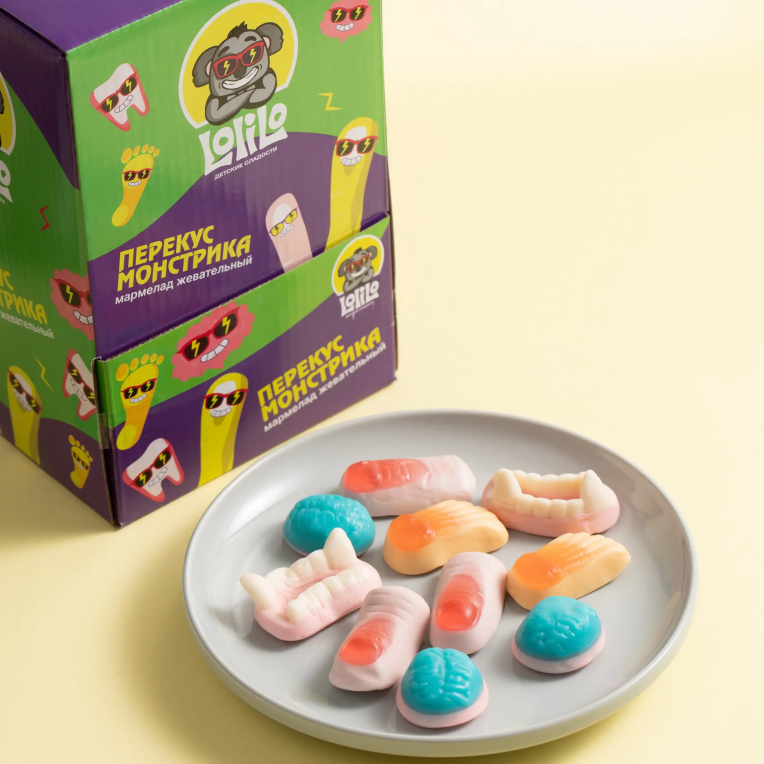
In contemporary retail environments, confectionery aisles frequently display a saturation of standard items. In an era where many shelves carry the same bear-shaped confections in predictable flavor combinations, consumers and commercial brands alike are actively searching for products that convey individual meaning. Personalized gummies have emerged at the intersection of product design and confectionery manufacturing, gradually transforming sweet treats from mass commodities into vehicles for personal expression, event commemoration, and brand storytelling. The scope of this personalization extends far beyond simply printing a corporate logo on a generic wrapper. It encompasses proprietary structural shapes, custom color palettes, specific flavor profiles tied to localized events, and customized packaging that carries individual names, dates, or targeted messages. For retailers, event planners, and corporate marketers, understanding the design and manufacturing mechanics behind this trend is essential. Grasping these concepts helps professionals deliver personalized gummies that resonate on an individual level rather than merely satisfying a basic sweet tooth.
The Shift from Mass Production to Meaningful Customization
The broader confectionery industry originally built its foundation on scale economics, prioritizing identical products manufactured by the millions and distributed through extensive global channels. While this traditional model maximized operational efficiency, it frequently minimized the potential for deeper emotional connections with the end user. Today’s consumer landscape looks remarkably different. Influenced heavily by direct-to-consumer (DTC) brand experiences and social media environments that normalize tailored interactions, modern shoppers generally expect physical products to reflect their unique identity, specific occasions, or personal affiliations.

Personalized gummies serve to answer this growing demand by providing a tangible, edible medium for individual expression. Wedding favors shaped like a couple’s initials, corporate event giveaways molded into company logo forms, and specialized birthday assortments matched to a celebrant’s favorite colors all contribute to memorable experiences that standard retail products typically cannot replicate. This emotional premium attached to customized confections frequently justifies higher retail price points and helps drive repeat purchasing for subsequent gifting occasions.
The Design Dimensions of Personalized Confectionery
Executing effective personalization generally operates across four primary design axes: structural form, color, flavor, and packaging. Form involves creating custom molds that reflect names, mascots, or thematic icons. Color requires Pantone-matched hues that align strictly with corporate brand guidelines or specific event palettes. Flavor involves developing signature profiles tailored to special occasions or localized regional preferences. Finally, packaging encompasses printed sleeves, custom labels, or specialized gift boxes carrying targeted messaging. Each of these axes requires distinct technical capabilities from a qualified custom gummy manufacturer and carries specific cost structures and lead-time implications.
The most commercially successful personalized products tend to integrate multiple design dimensions rather than relying solely on a single variable. For example, a corporate gift that successfully combines a logo-shaped gummy with corporate color matching, a signature taste profile, and branded external packaging creates a highly cohesive sensory experience. This comprehensive approach reinforces brand recall across multiple touchpoints, including taste, sight, and touch, making the item far more memorable than a generic, off-the-shelf candy.
Commercial Applications: From Gifting to Brand Activation
The commercial applications for specialized confectionery continue to broaden, with wedding and event planning representing one of the most mature markets. In this space, event organizers frequently utilize custom shapes and packaging to create edible keepsakes that guests are likely to photograph and share online. Corporate hospitality follows a similar trajectory. Product launches, trade show exhibitions, and client appreciation programs increasingly leverage personalized confectionery as a tactile brand touchpoint. A custom-designed sweet often stands out more effectively in a promotional landscape that is otherwise heavily saturated with standard items like pens, notebooks, and USB drives.
Furthermore, modern retailers have begun leveraging personalization as an experiential service layer rather than merely treating it as a static product line. Offering in-store or digital customization stations where customers can design their own unique assortments frequently drives increased foot traffic, extends shopper dwell time, and generates highly shareable social media content. The underlying economics of this model tend to favor retailers who establish partnerships with a custom gummy manufacturer capable of handling variable, small-batch orders without placing prohibitive financial penalties on low-volume customer requests.
The Manufacturing Reality of Variable Production
Despite clear market demand, introducing extensive personalization frequently conflicts with the core efficiency logic of traditional confectionery manufacturing. Customizing molds requires upfront tooling investments, achieving Pantone-matched colors demands specific formulation adjustments for every batch, and managing variable packaging artwork naturally complicates production scheduling. Consequently, many large-scale manufacturers tend to resist true personalization. They often prefer to offer a limited menu of pre-set, modular options that restricts creative freedom but preserves their internal operational convenience.
The technical gap between a marketing claim of being “customizable” and possessing genuine personalization capability is often substantial. Commercial buyers should carefully verify whether a prospective custom gummy manufacturer can actually produce single-batch prototypes for client approval, modify flavor formulations without demanding massive minimum volume commitments, and handle variable packaging artwork within standard industry lead times. Production partners who cannot offer this operational flexibility often force retail clients to compromise their initial design vision to fit rigid manufacturing constraints.
Matching Design Vision with Manufacturing Capability
Procurement professionals evaluating personalized confectionery partners should assess mold development speed (days versus weeks for prototype tooling), color-matching accuracy (in-house formulation lab versus visual approximation), minimum order flexibility (can the partner handle a 500-unit run?), and packaging integration. The partner who performs well across all four dimensions offers personalization as a service rather than a limited configuration tool.
HAPI brings 25 years of confectionery expertise and a dedicated R&D team of five to its OEM and ODM programs, producing personalized gummies with custom shapes, precise colors, and tailored packaging from 500 cartons MOQ. The company’s automated production line handles up to 30 metric tons daily, supporting both small-batch personalization and scaled reorder programs. HAPI offers OEM and ODM confectionery services for brands exploring customized gummy designs. Buyers should review the relevant certification documentation and confirm design feasibility, sample approval requirements, and production specifications before proceeding with a project.
