
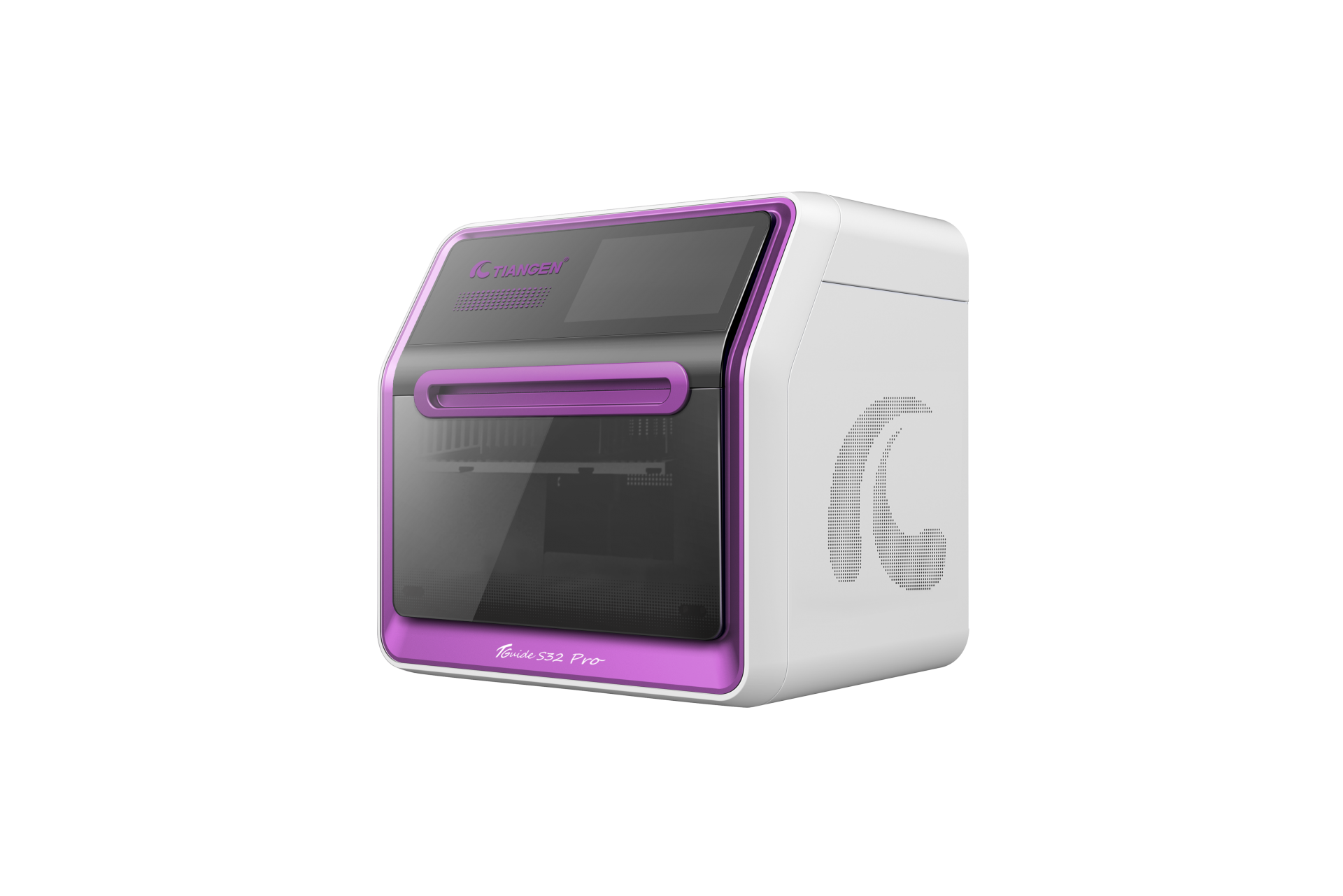
A magnetic bead DNA/RNA extractor is widely used in modern laboratories to isolate nucleic acids with high efficiency and consistency. While these systems offer advantages in automation and throughput, controlling cross-contamination risk remains a critical consideration. Cross-contamination can affect data reliability and compromise workflow integrity, especially when multiple samples are processed simultaneously. Therefore, understanding the parameters that influence contamination risk in a magnetic bead DNA/RNA extractor is essential for maintaining stable and reproducible nucleic acid extraction processes within an automated nucleic acid extractor environment.
Influence of Magnetic Bead Interaction and Workflow Control
One of the primary parameters affecting cross-contamination risk is the interaction between magnetic beads and nucleic acids. In a magnetic bead DNA/RNA extractor, beads are designed to bind nucleic acids selectively under defined chemical conditions. The efficiency and specificity of this binding process help ensure that target molecules remain associated with their respective samples. Controlled magnetic rod movement is equally important, as it governs the transfer of beads through binding, washing, and elution steps. Precise timing and consistent mixing reduce the likelihood of unintended sample carryover. In addition, well-designed workflows ensure that reagents and samples are handled in a sequential and isolated manner, further minimizing contamination risk within an automated nucleic acid extractor.
Role of System Design and Contamination Prevention Mechanisms

System-level design features also play a significant role in reducing cross-contamination. An automated nucleic acid extractor typically incorporates enclosed processing environments that limit external exposure. Accurate liquid handling systems ensure that reagents are dispensed consistently to minimize splashing and aerosol formation, a major cause of well-to-well cross-contamination. In magnetic bead-based workflows, special structural designs for magnetic sleeves effectively prevent liquid dripping during rod movement, further cutting down contamination risks.
Effective washing steps are critical for boosting sample purity, as they remove residual proteins and loosely bound impurities. Furthermore, integrated contamination prevention mechanisms, such as ultraviolet sterilization and dedicated workflow pathways, enhance system reliability. Mechanical precision and standardized operation across multiple samples are particularly important in high-throughput settings, where uniform processing conditions are required to maintain consistency.
Practical Perspective
Overall, cross-contamination risk in a magnetic bead DNA/RNA extractor is determined by a combination of bead specificity, workflow control, washing efficiency, and system design. TIANGEN Biotech (Beijing) Co., Ltd. develops automated nucleic acid extractor systems that integrate precise magnetic bead handling, stable liquid control, and contamination prevention features. TIANGEN provides solutions designed to support reliable and consistent nucleic acid extraction workflows while minimizing cross-contamination risk across diverse laboratory applications.
